
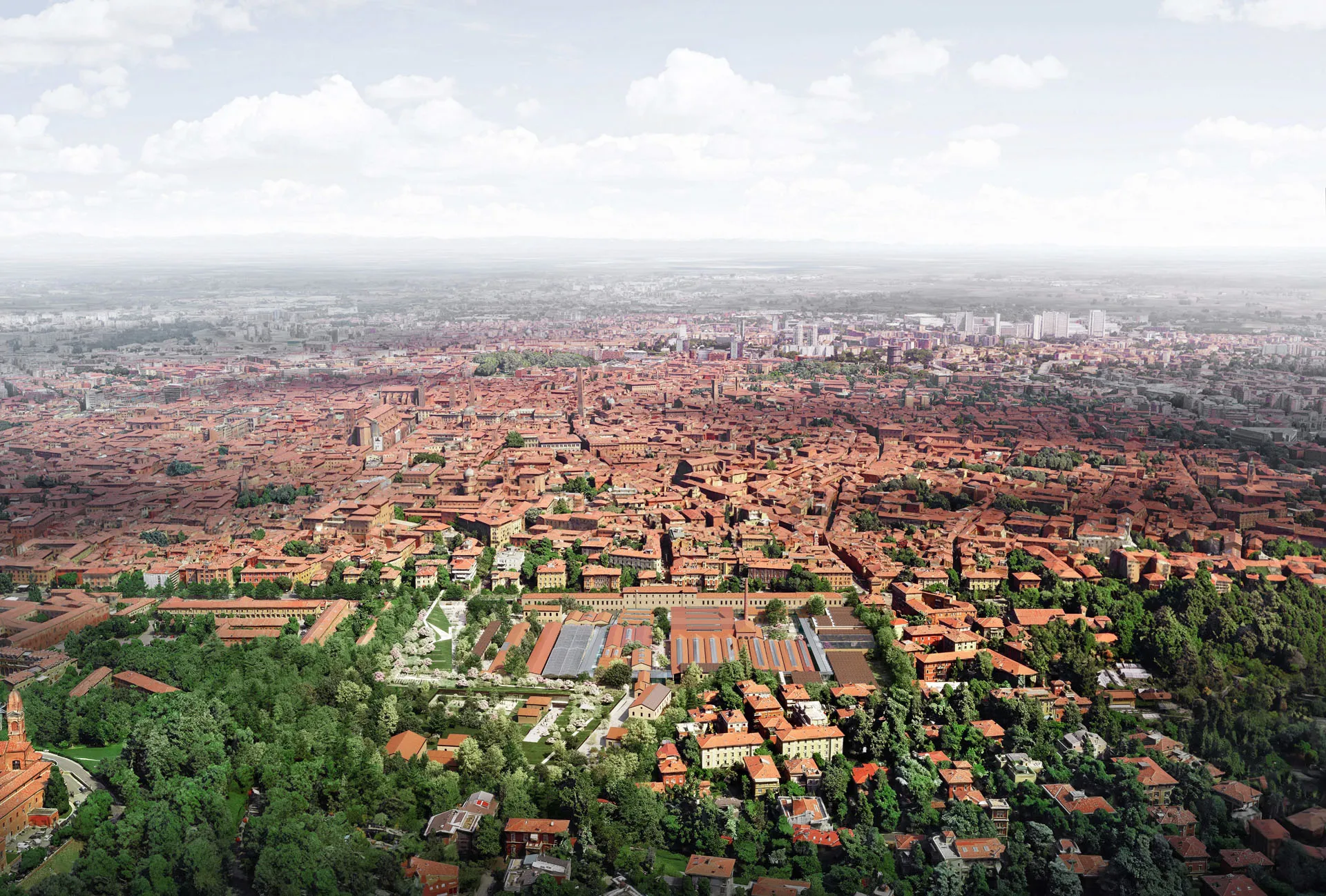
Two-phase design competition for the construction of the “Parco della Giustizia di Bologna”
/ Code
Location: Bologna (BO)
Date: 2023
Project: International two-phase design competition for the construction of the “Parco della Giustizia di Bologna”
Client: Italian State Property Agency
Result: SECOND PLACE project
Status: Completed
Role: Designers and specialists for the restoration and redevelopment of protected heritage
Working Group: Snøhetta, Engeko (Team Leader), architect Andrea Nonni, Demogo Studio di Architettura, CHVL Architetti Associati, CZstudio Associati, SUMs Architects, AMAA, Dr. Anna Letizia Monti, Eng. Ezio Rendina (via Meravigli), Dr. Roberto Salucci (geologist), Dr. Irene Berlingò
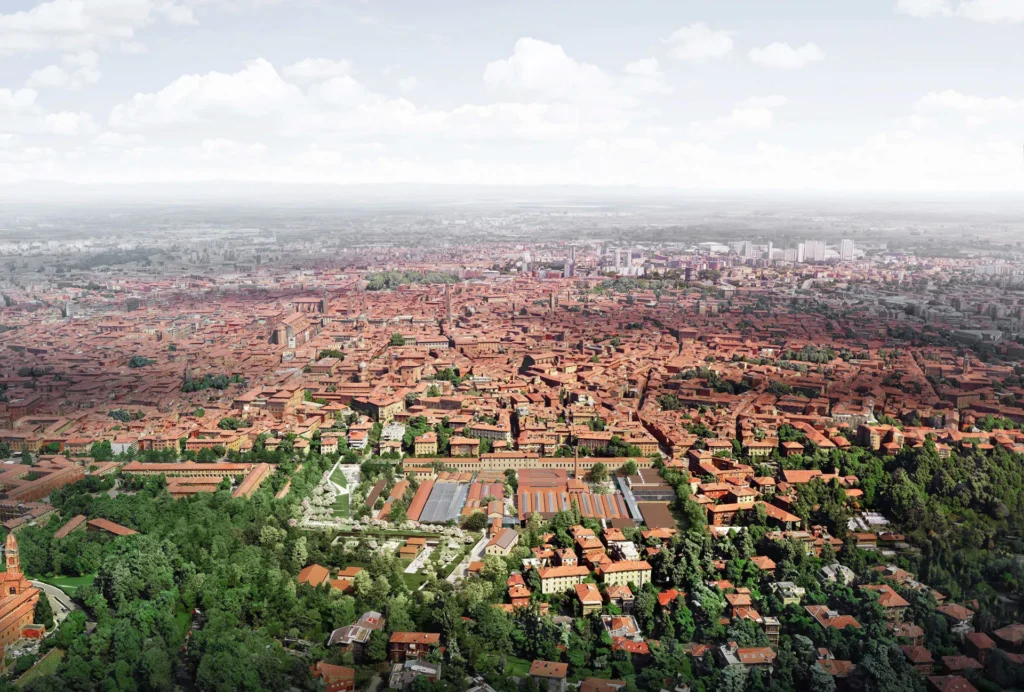
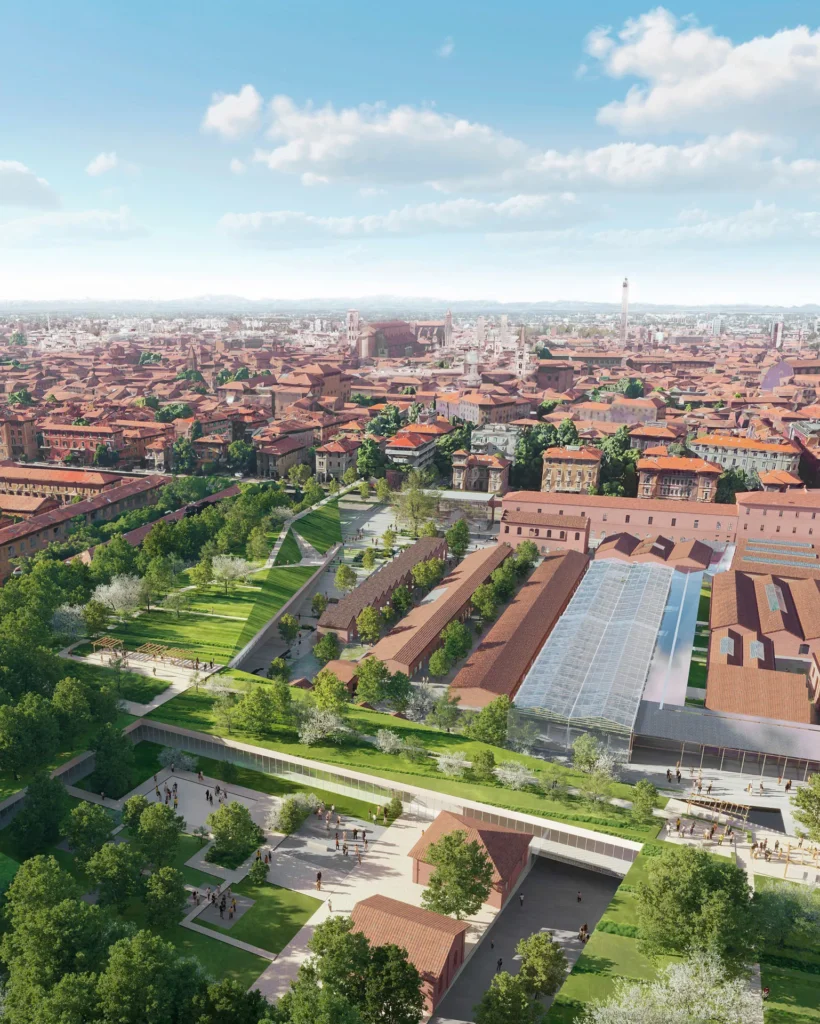
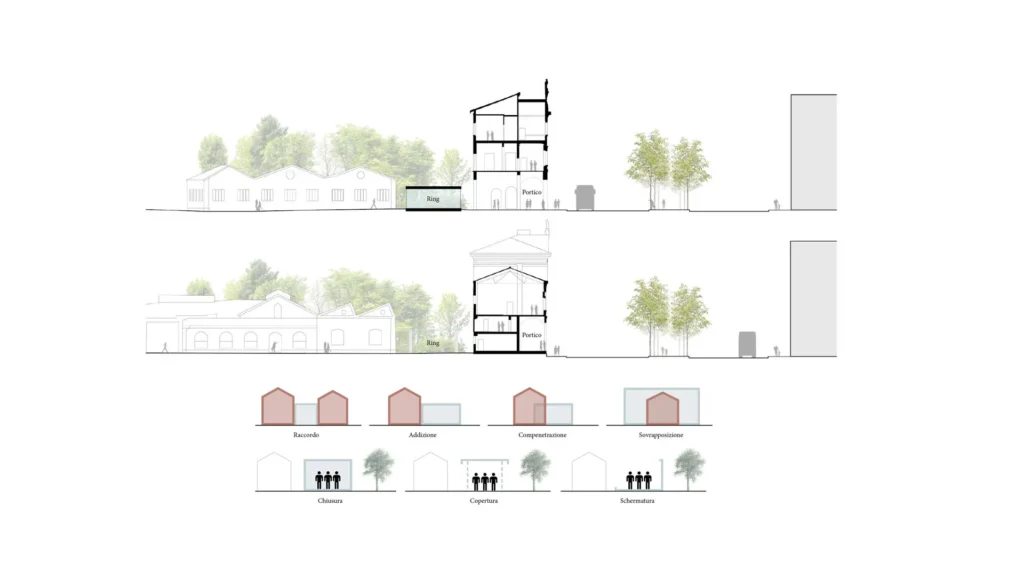
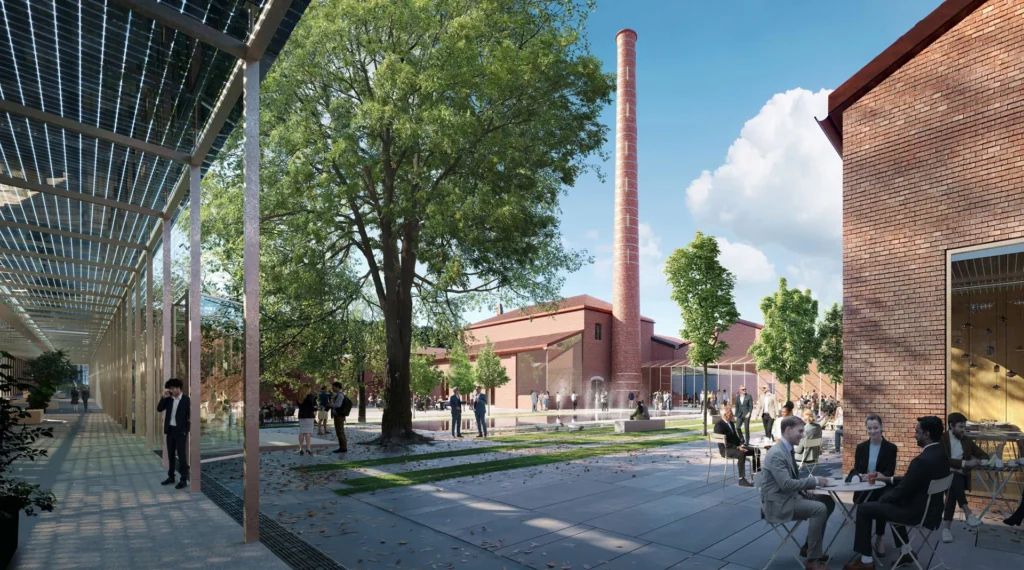
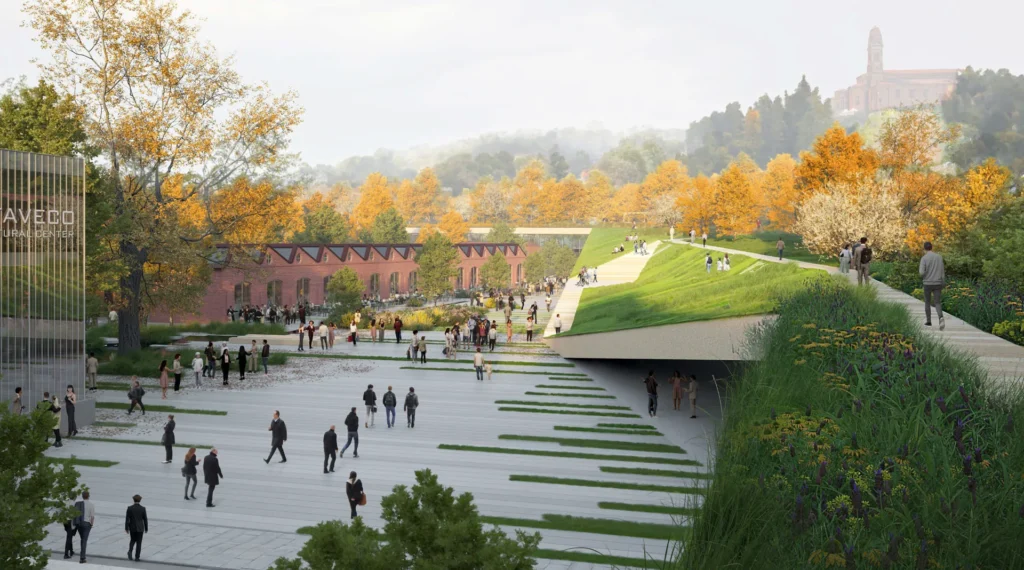
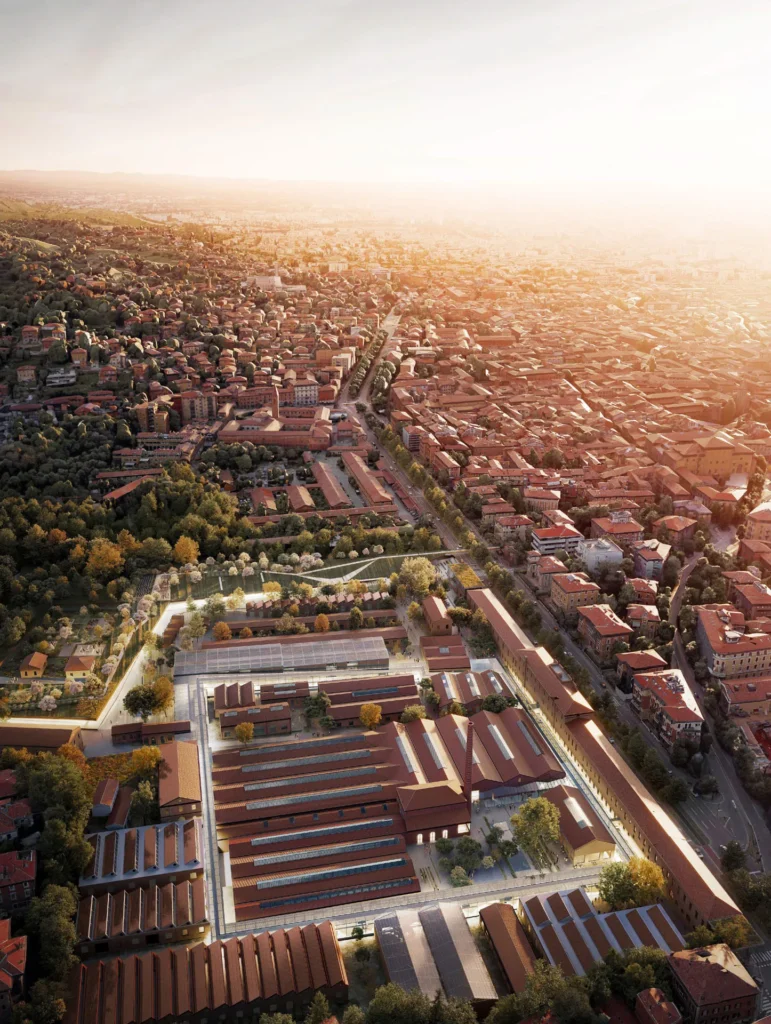
The dimension of time guides the project and its relationship with the urban and natural landscape, suggesting a way to interpret the new spaces in continuity with the monumental tradition and urban topography.
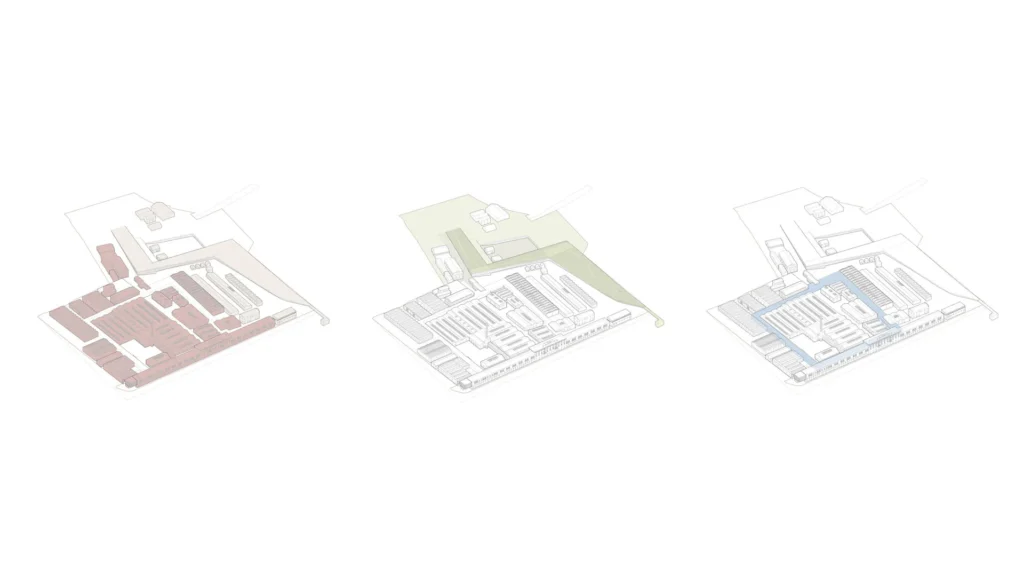
The strategy for enhancing the industrial archaeology properties involves targeted interventions on existing buildings: additions, small extensions, and restorations, to improve them, connect them, and restore their function.
The central theme is the “voice” of the buildings, that is, their current composition, currently incomplete but rich in potential. The project gathers their historical memory and uses it as a basis for building the future of the STA.VE.CO. spaces, to be transformed into a City of Justice, and thus articulates them according to considerable functional complexity. The existing fragments thus become part of a larger architecture, capable of dialoguing with the city. The idea of architecture as fragment and as infrastructure guides the new ring system, an architectural distribution device that brings order to the currently disorganized buildings.
On an urban scale, the project seeks to repair the broken relationship between the abandoned area and Bologna’s aesthetic identity. The goal is to create a new atmosphere for the STA.VE.CO., reestablishing a balance between the abandoned buildings and city life, between spaces and people, starting from the very ground of this abandoned part of the city.
The project interprets this area as a hinge between the historic center and the natural landscape. From a fragmented space, it becomes a new part of the city, connected to the landscape and capable of regaining continuity. The site is located in a transition zone between nature and the urban, offering the opportunity to connect these two worlds. In this sense, the Margherita Gardens become the true entrance to the project, a “foyer” leading to the hills.