
Restoration and redevelopment of the former Riganti tannery building and outdoor spaces
/ Code
Location: Valle Giulia, Rome
Date: 2023-2024
Project: Contract for the executive design and safety coordination of restoration and redevelopment works
Client: MiC – National Etruscan Museum of Villa Giulia
Assignment: Executive design and CSP
Role: RTP team leader
Status: Completed
Working group: CHVL Architetti Associati (team leader); GPA Partners, architect Maria Costanza Pierdominici, rest. Ana Julia Gallinal Gomez, geol. Gianni Focardi
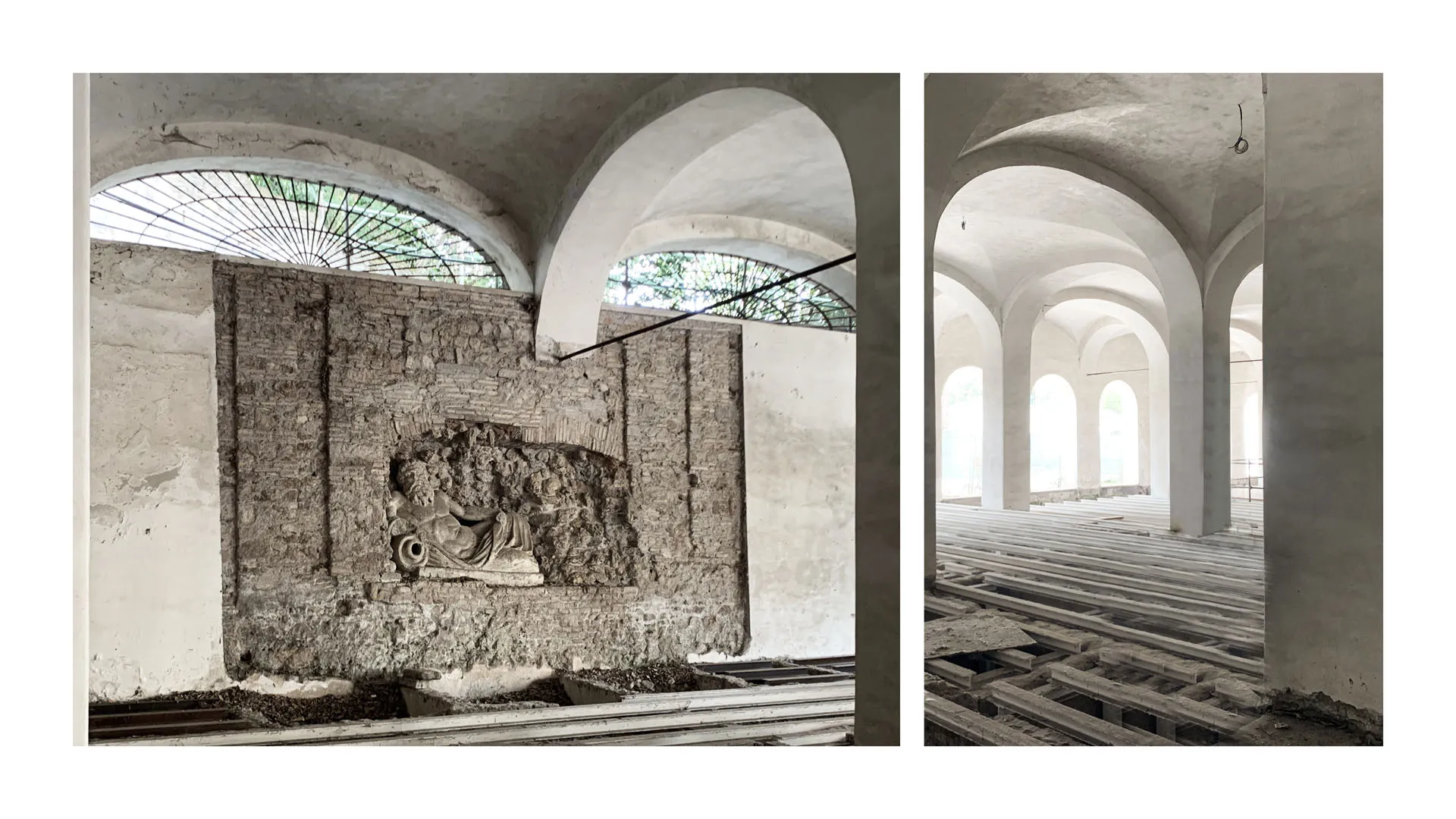
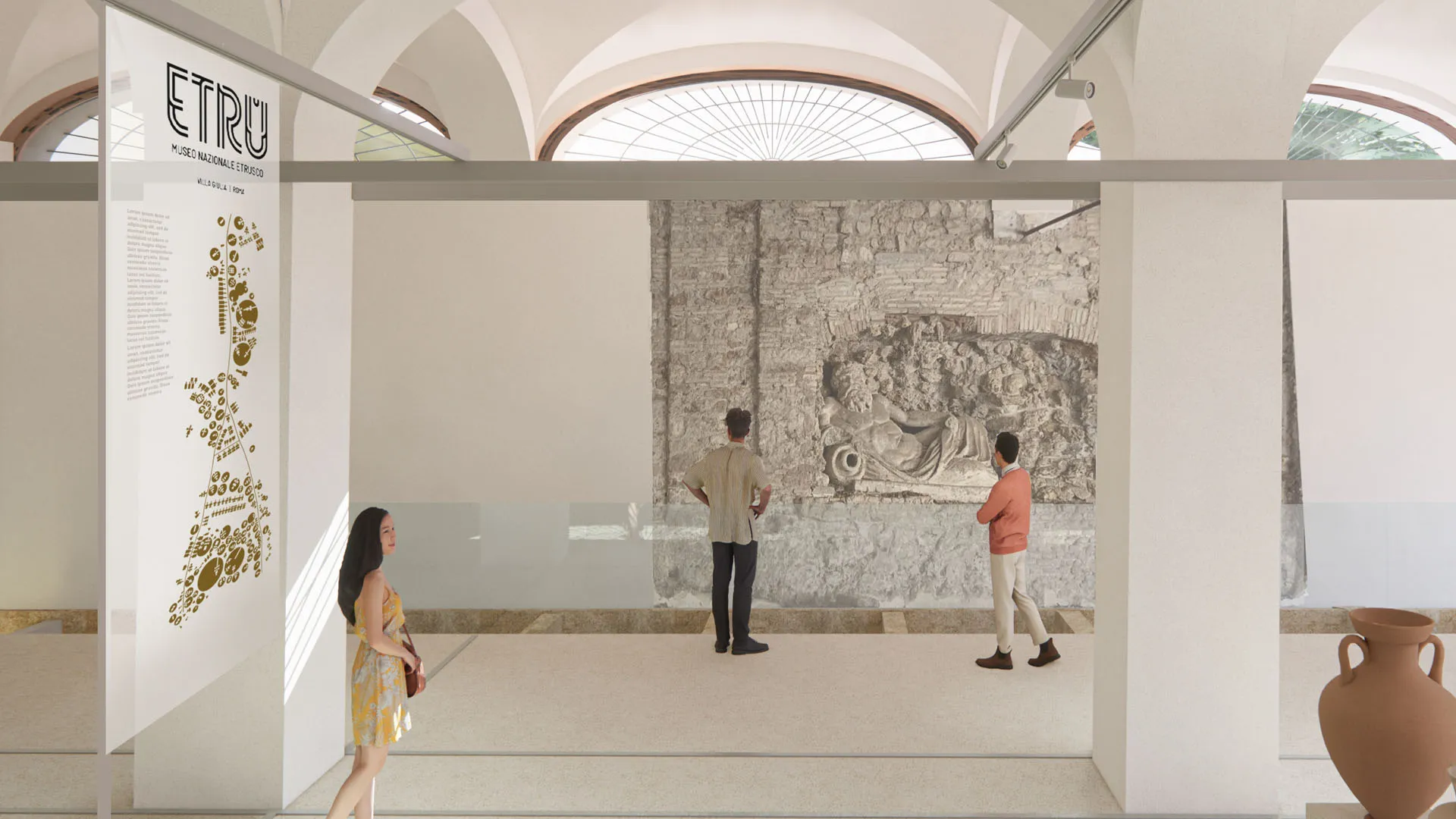
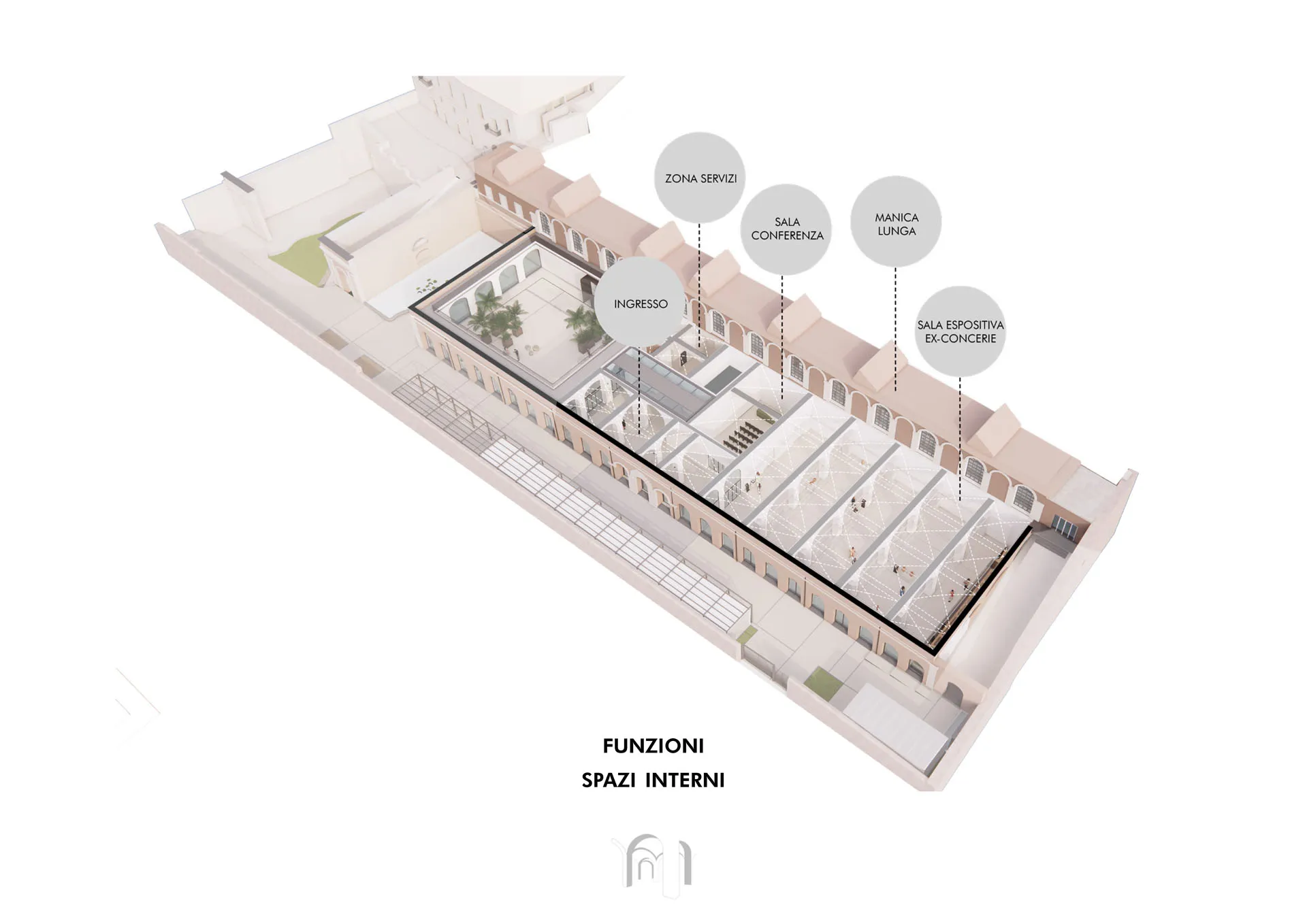
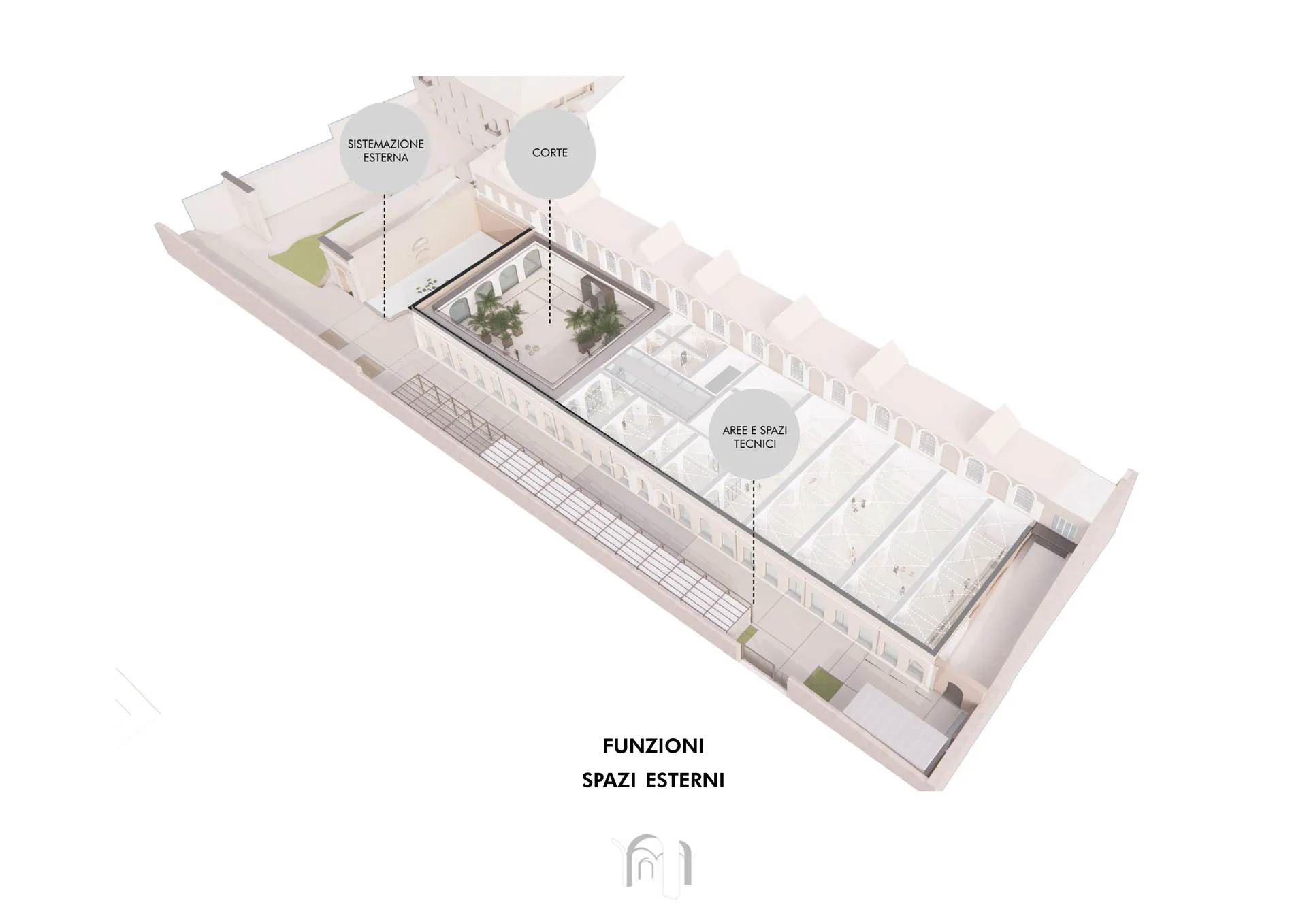
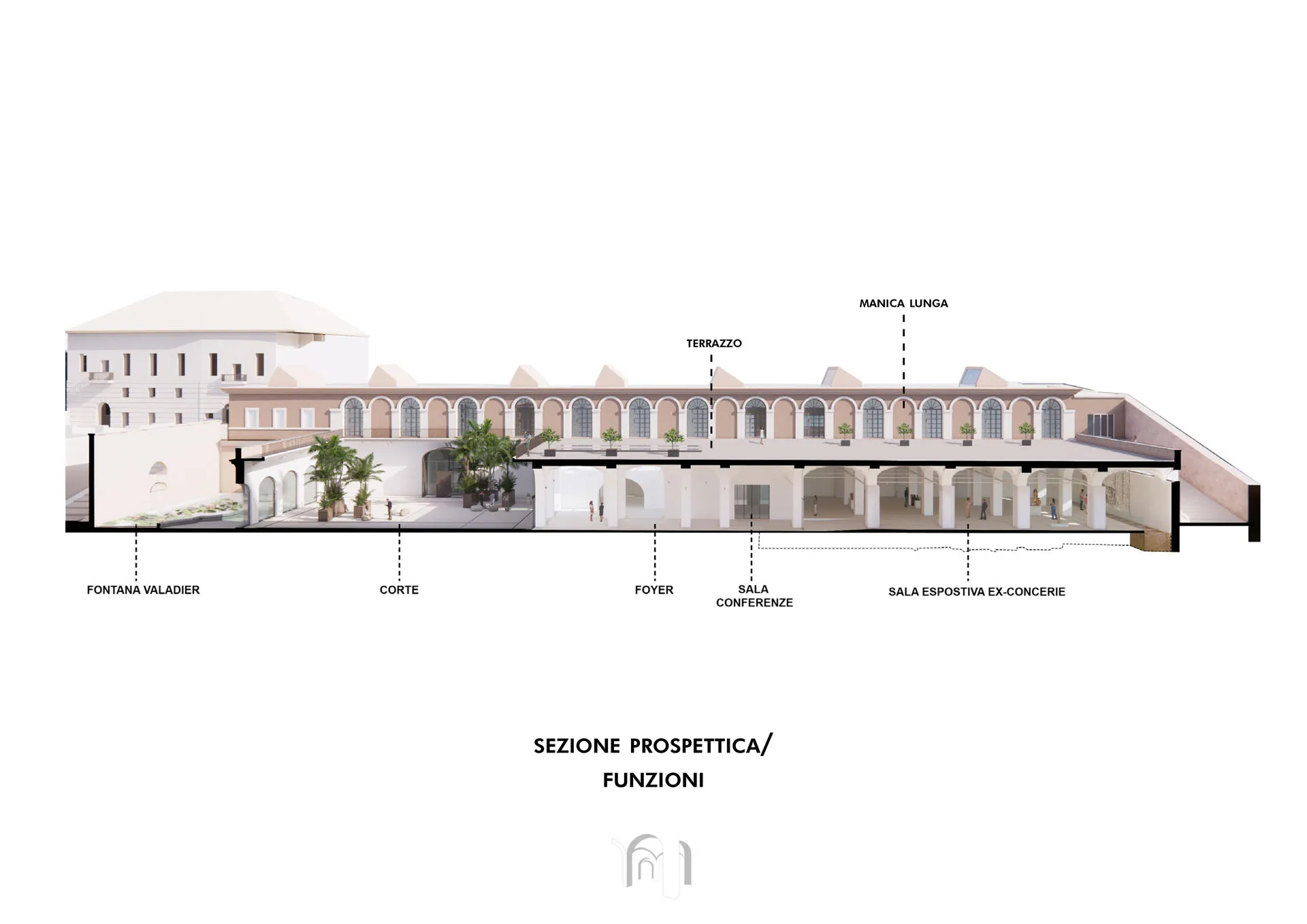
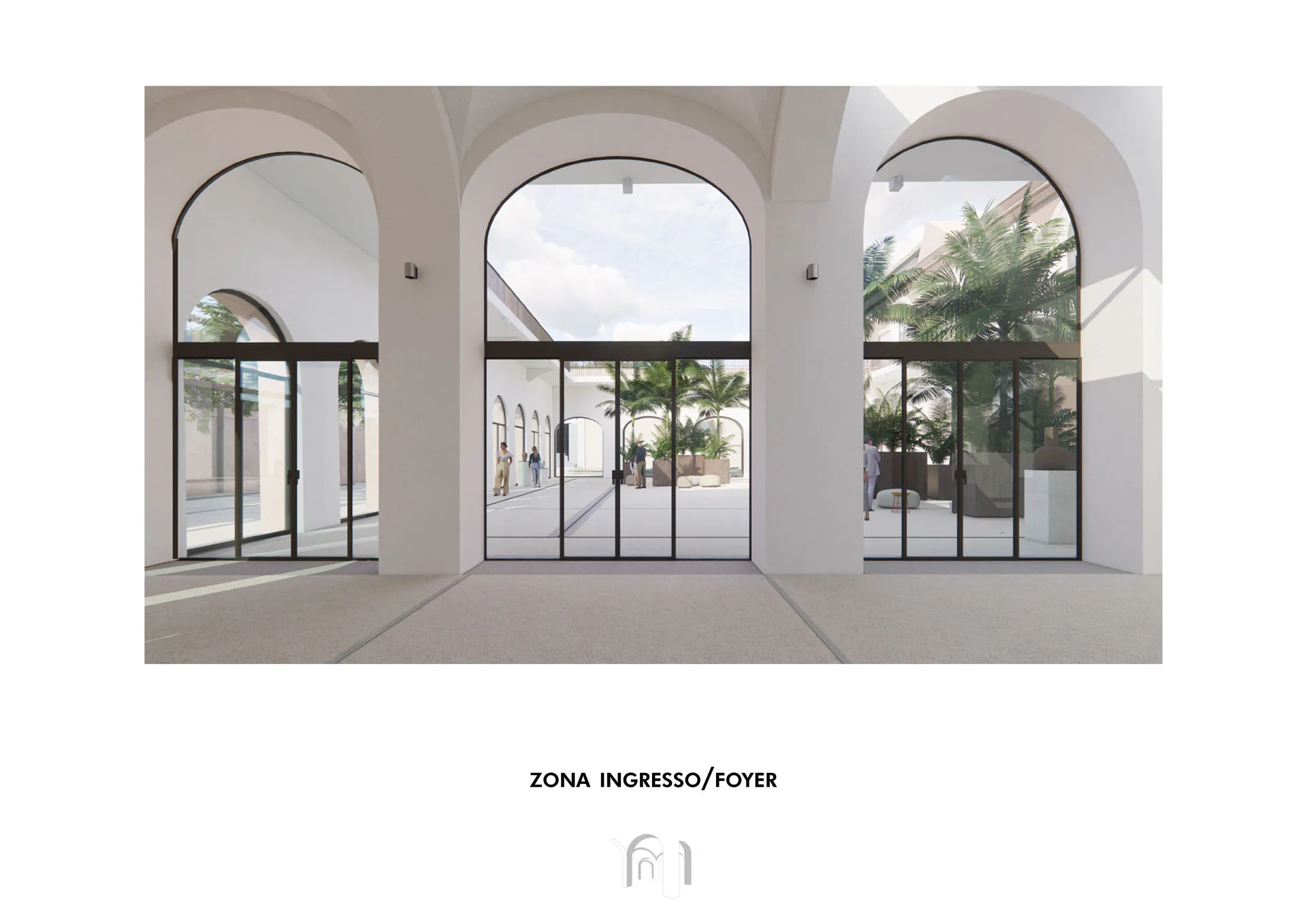
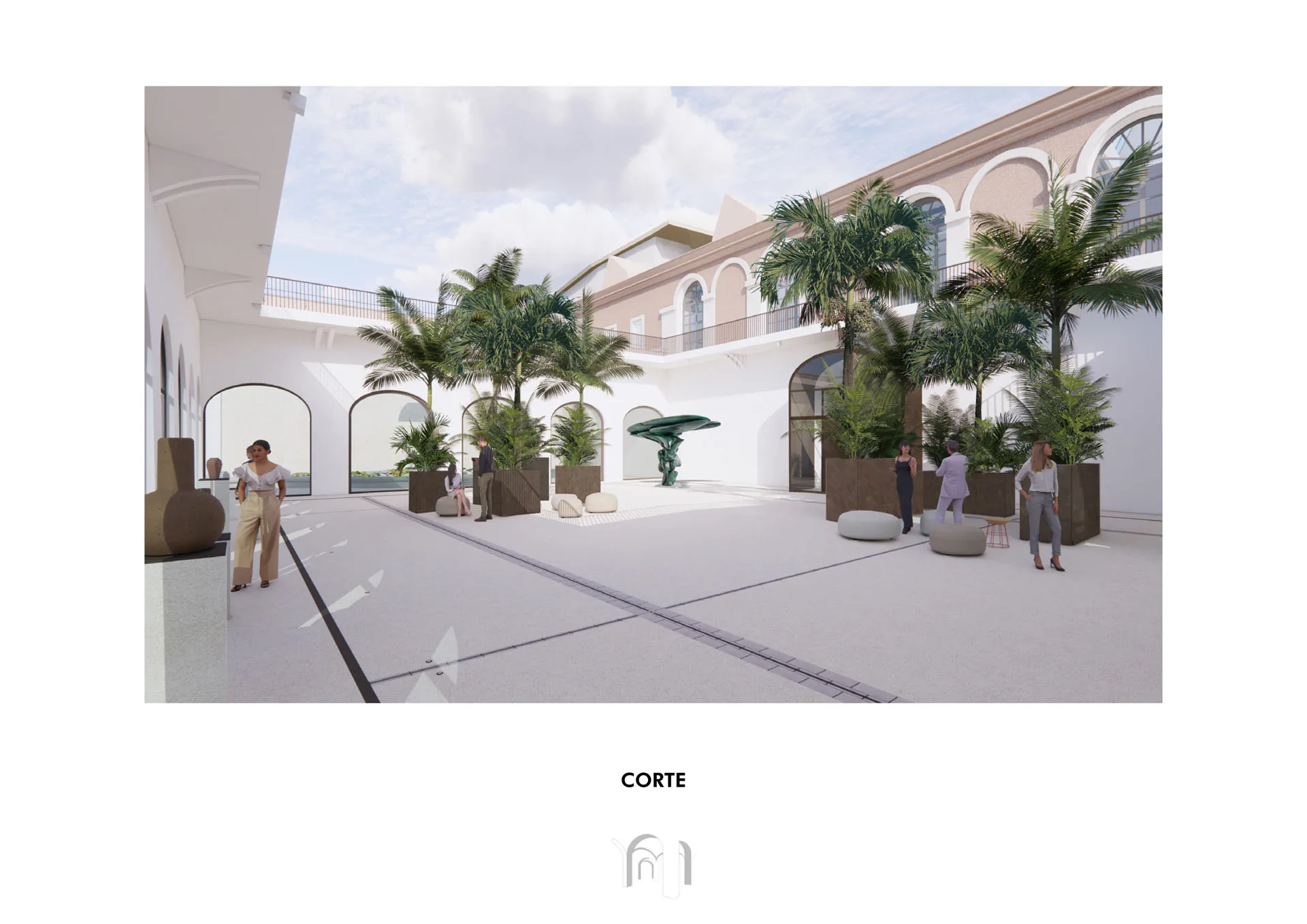
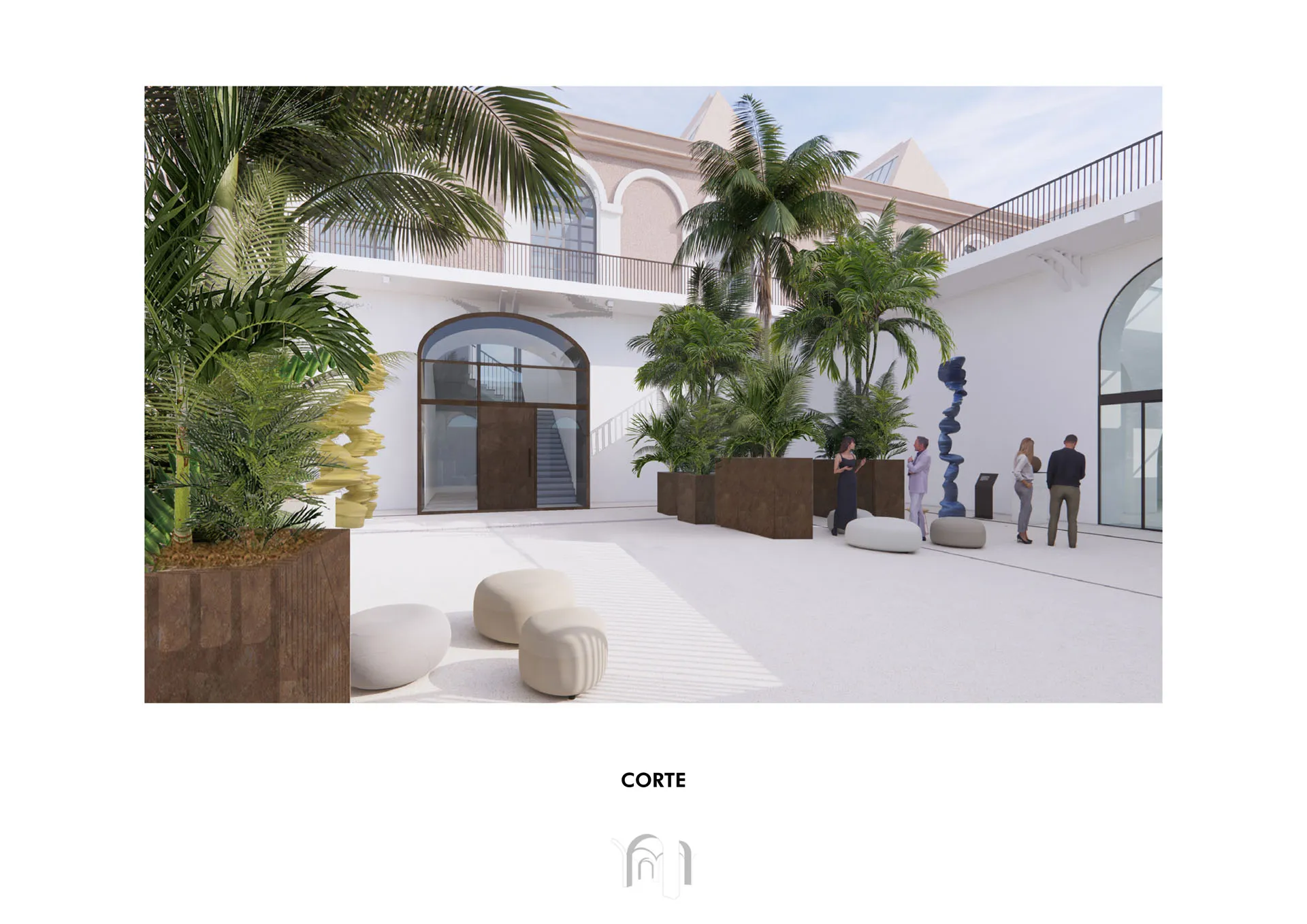
The project’s central objective is a restoration that enhances the historical stratification and the relationship with the context, key features of the project.
The design approach is based on a critical-conservative approach.
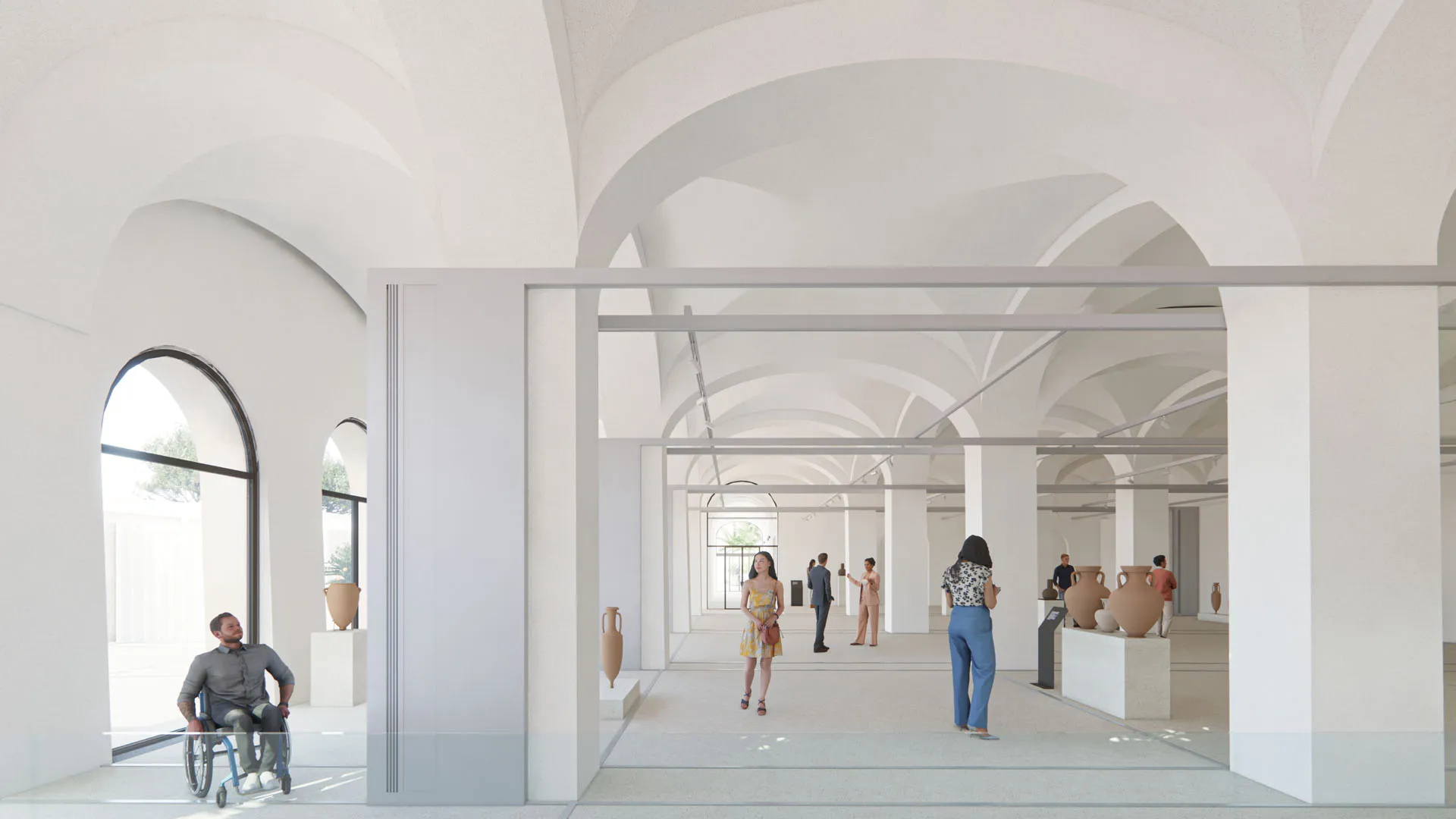
The enhancement of this monumental and environmental asset begins with a study of the site’s history, followed by an analysis of the distinctive structural elements of the former tanneries. This culminates with the implementation of structural, architectural, and plant engineering interventions that aim to emphasize the spatial quality of the articulation of the multiple vaulted structures, restoring the aesthetic qualities of the facades’ rhythm with a succession of arched openings, and paying attention to the need to highlight the relationships between the open spaces.
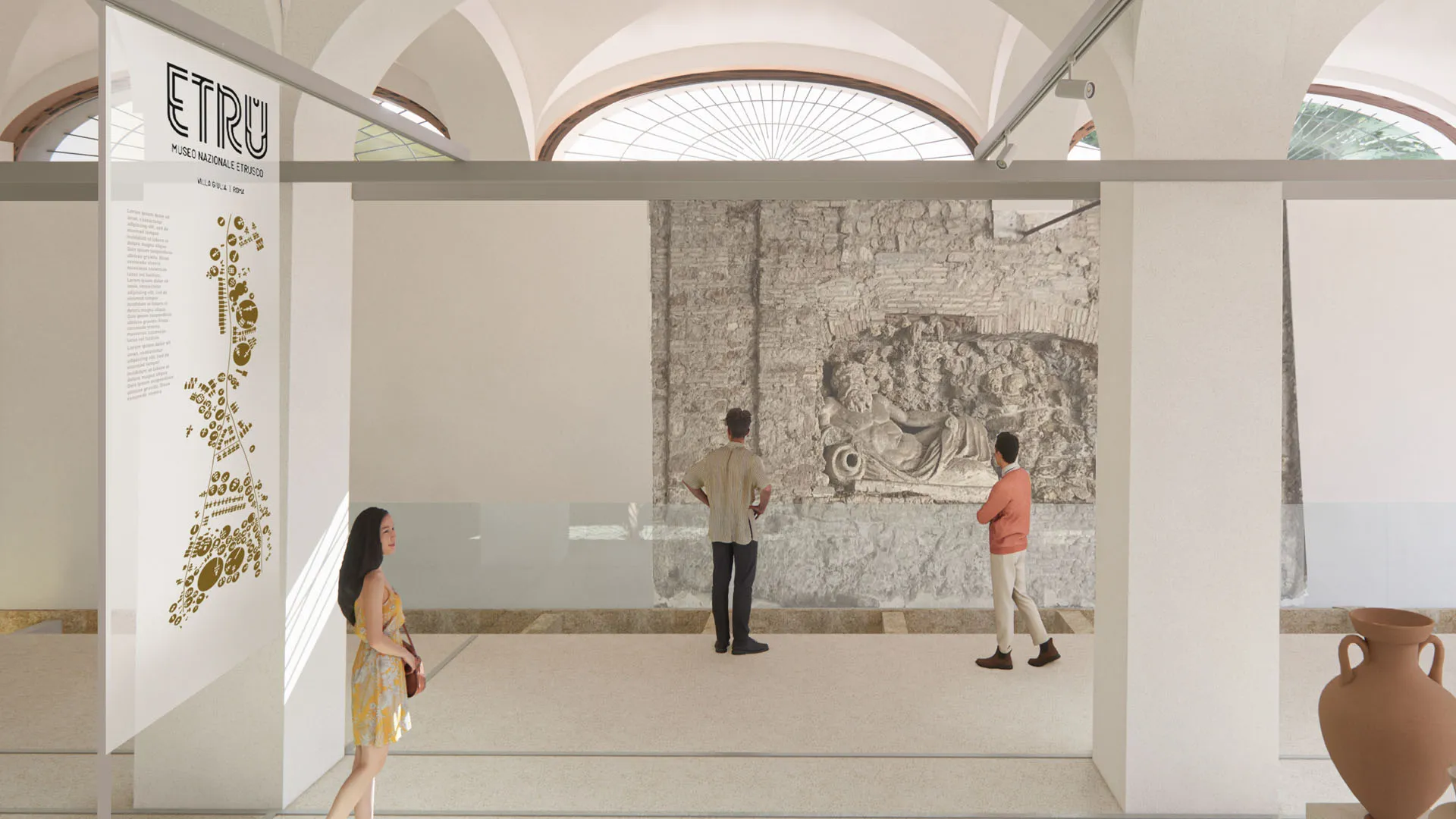
The 19th-century spaces of the former Riganti tanneries are being restored and repurposed to become a museum and exhibition space, complete with a small conference room and a courtyard for temporary outdoor installations and events. The former drying rooms are being redesigned to accommodate a bookshop and a restaurant with a large terrace.
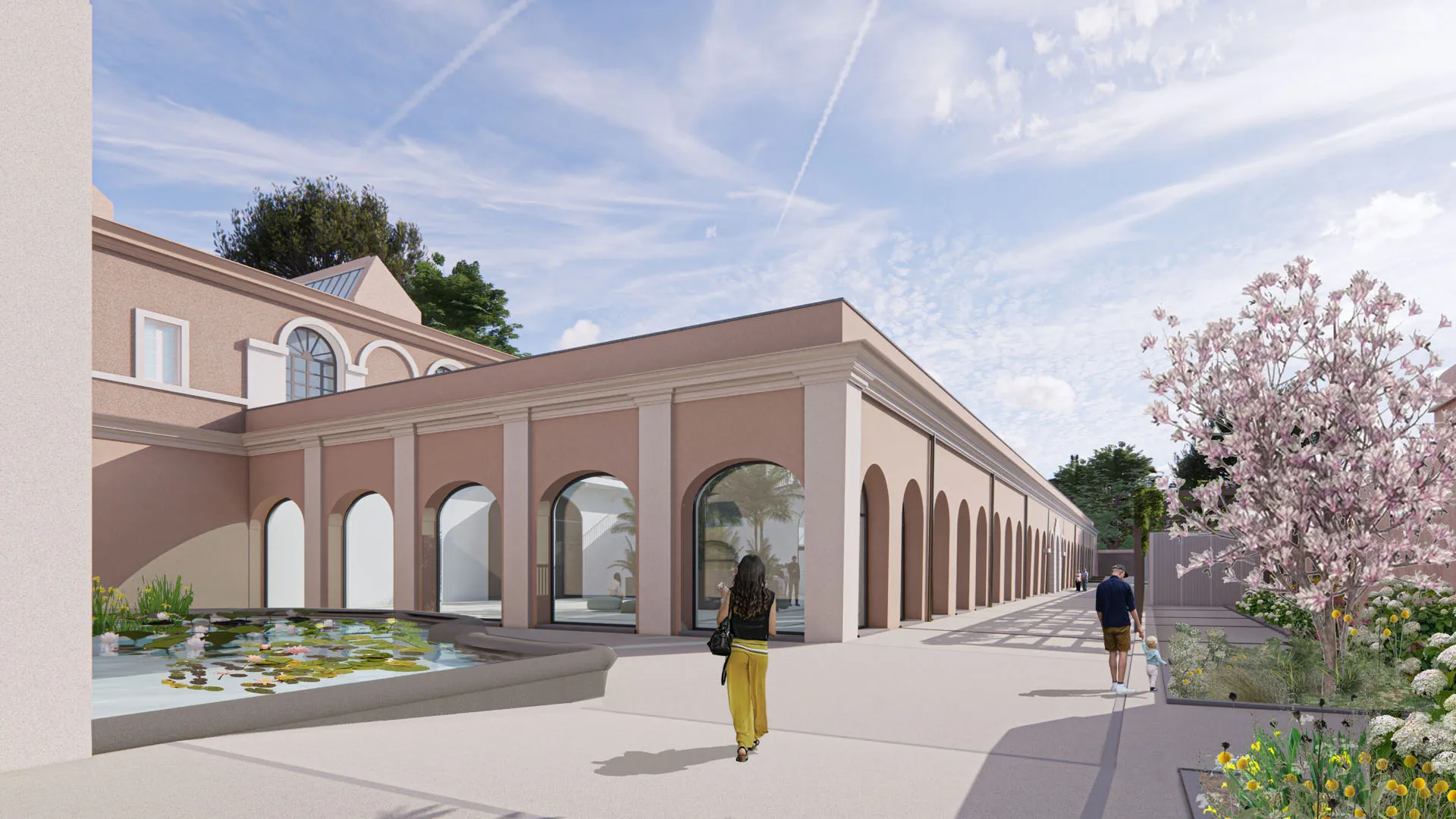
The outdoor space project maintains cultural continuity with the memory of the Valadier garden, intended as a connecting hub between the old part of Villa Poniatowski, a 19th-century leather factory, and the future multifunctional cultural space being built.
With the primary objectives of protecting and enhancing the site’s historical, artistic, and landscape qualities, the project establishes new architectural, spatial, and functional connections through an integrated approach to conservation and enhancement, balancing historical, technical, and functional aspects through the aesthetic unity of the architecture and garden.