
Urban, architectural and functional redevelopment of the historic complex
/ Code
Location: Turin (TO)
Date: 2023
Project: Two-phase international design competition for the redevelopment of the historic complex of the Ex Manifattura Tabacchi in Turin
Client: State Property Agency
Result: Participation
Status: Completed
Working team: architect Stefano Pujatti (team leader), Peluffo & Partners Architettura srl, Engeko scarl, CHVL architetti
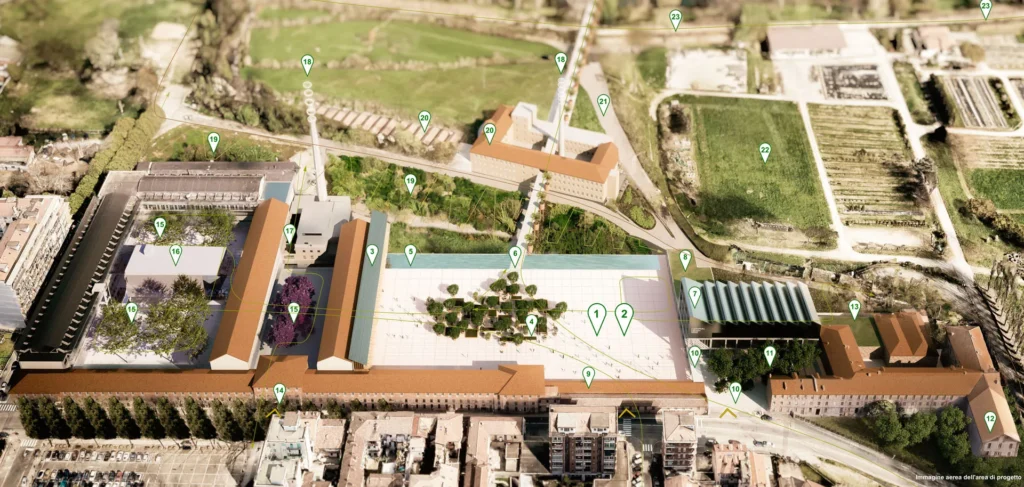
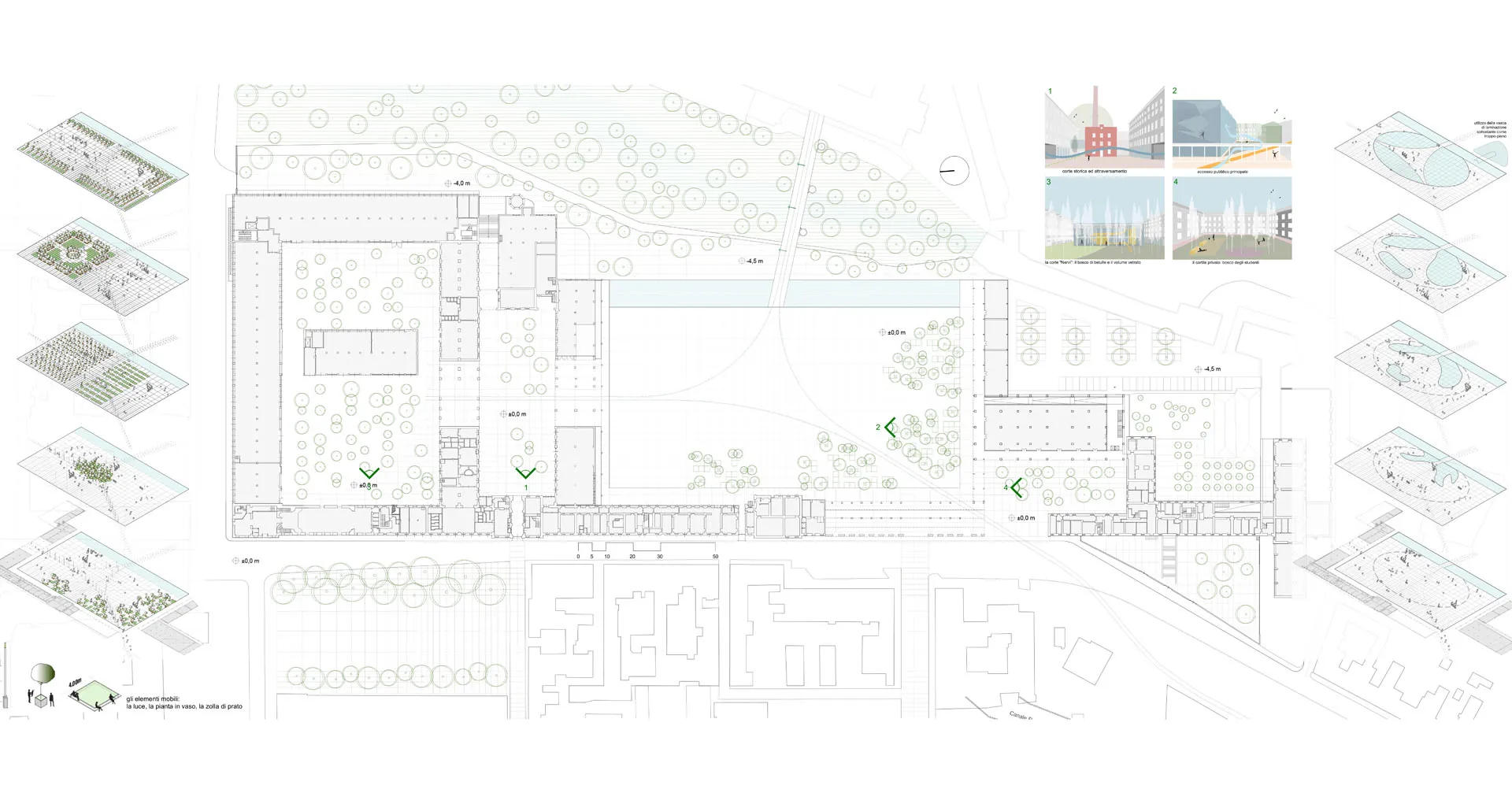
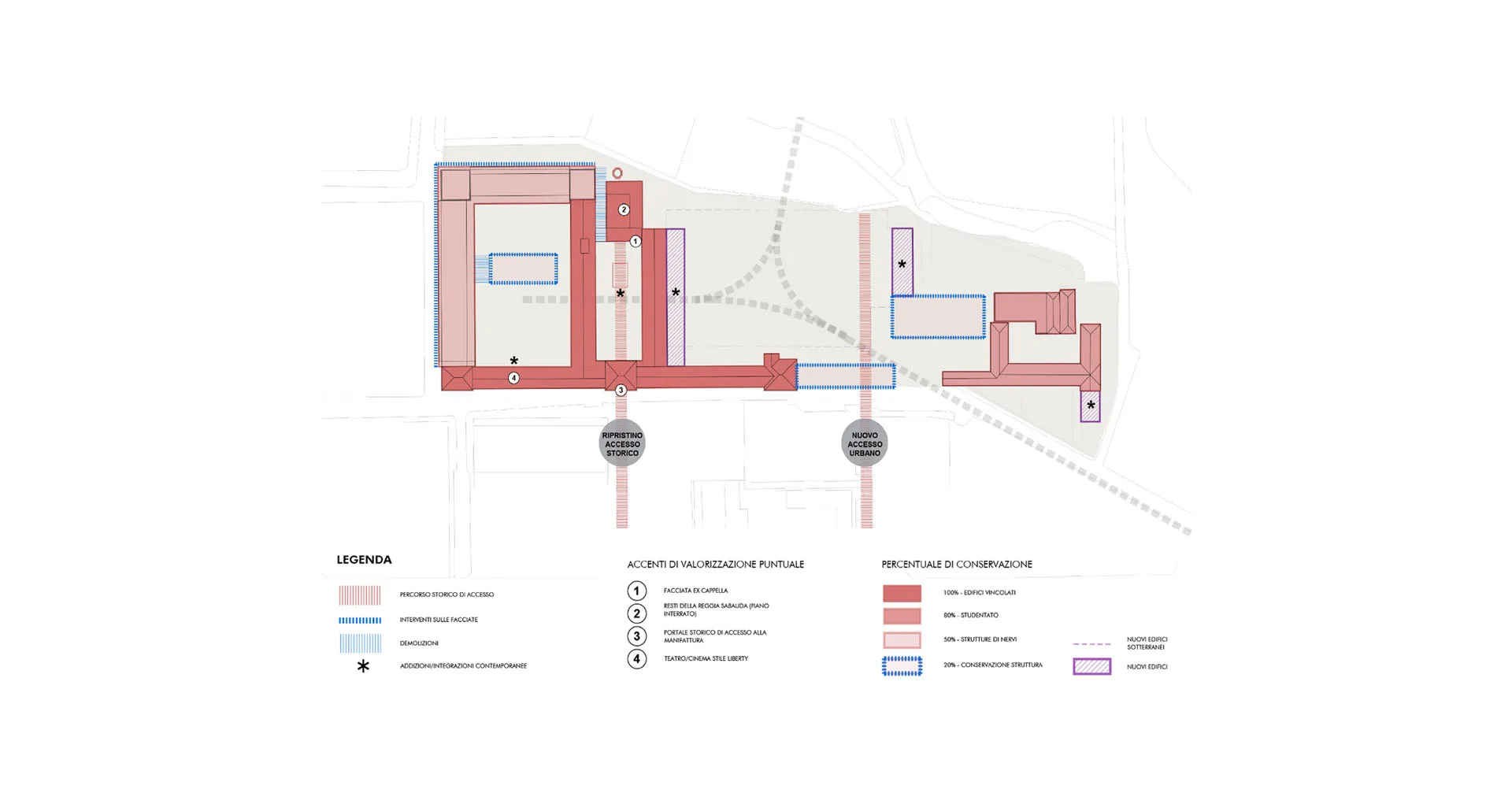
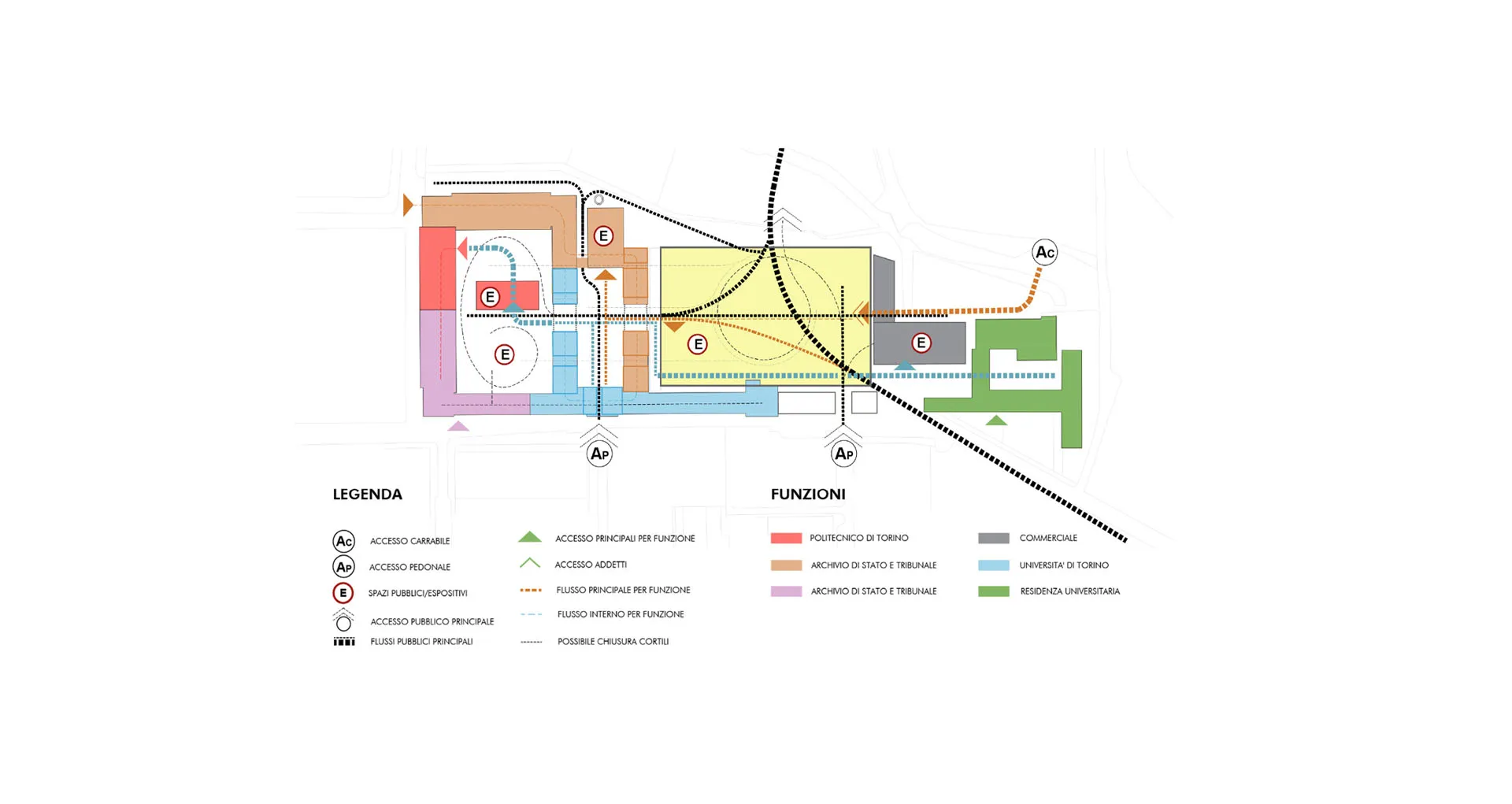
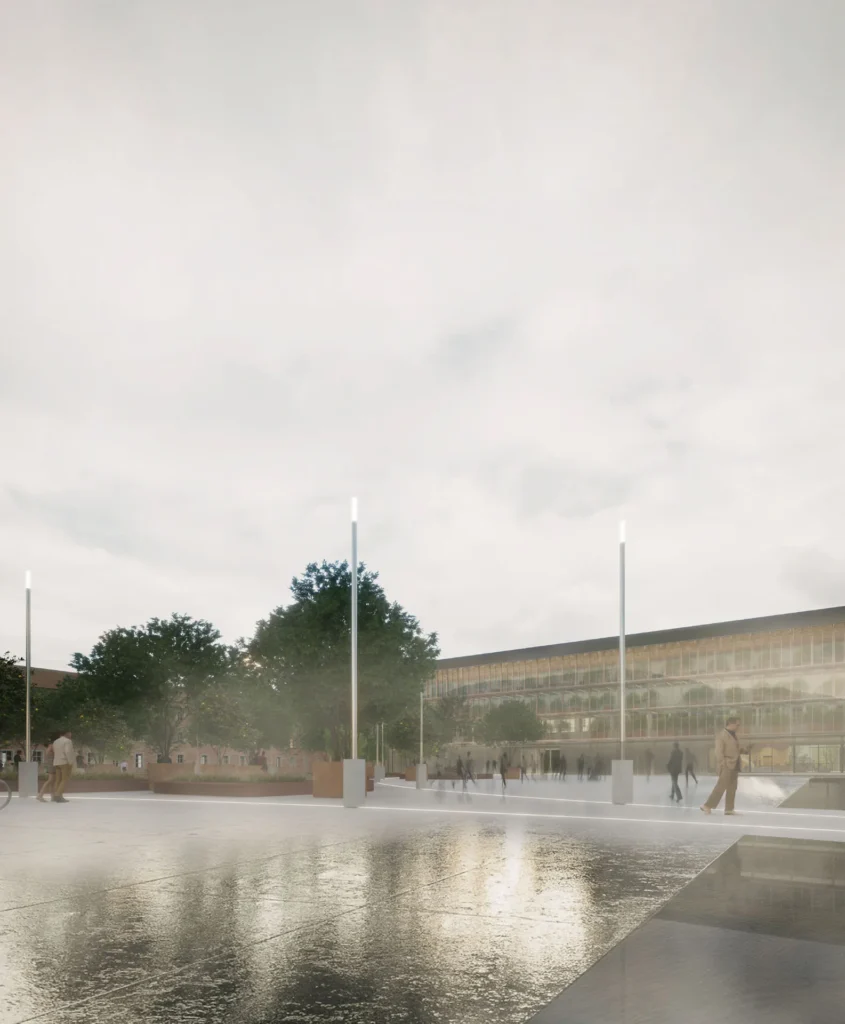
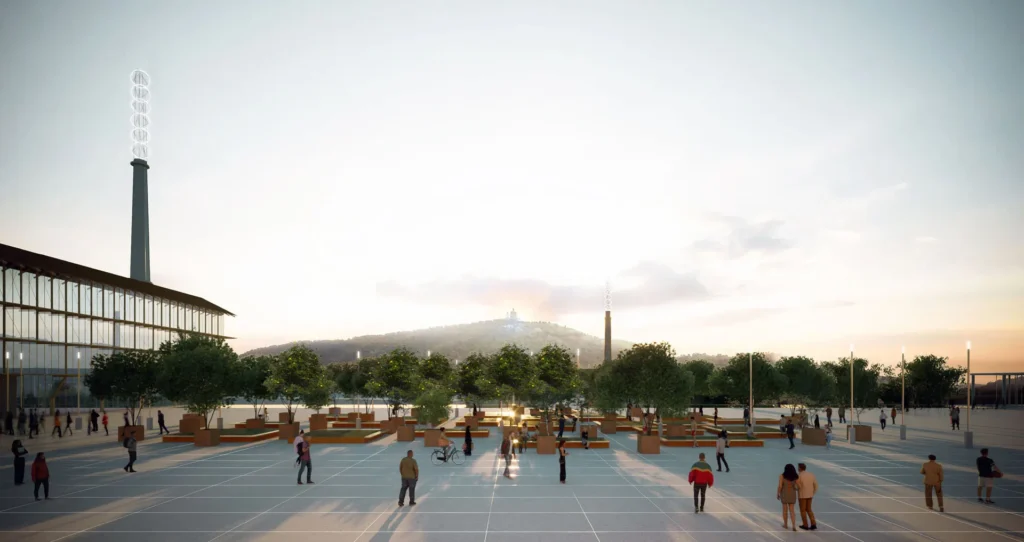
The goal of the call for proposals was to create a new system of spaces within the Ex Manifattura Tabacchi that would enhance the existing historical structures, including some modern ones by Pier Luigi Nervi, and transform them into a new, contemporary cultural and social hub capable of operating on both the micro and macro scales. The revitalized site will instill new energy in a currently neglected area, catalyzing attractive activities for all residents.
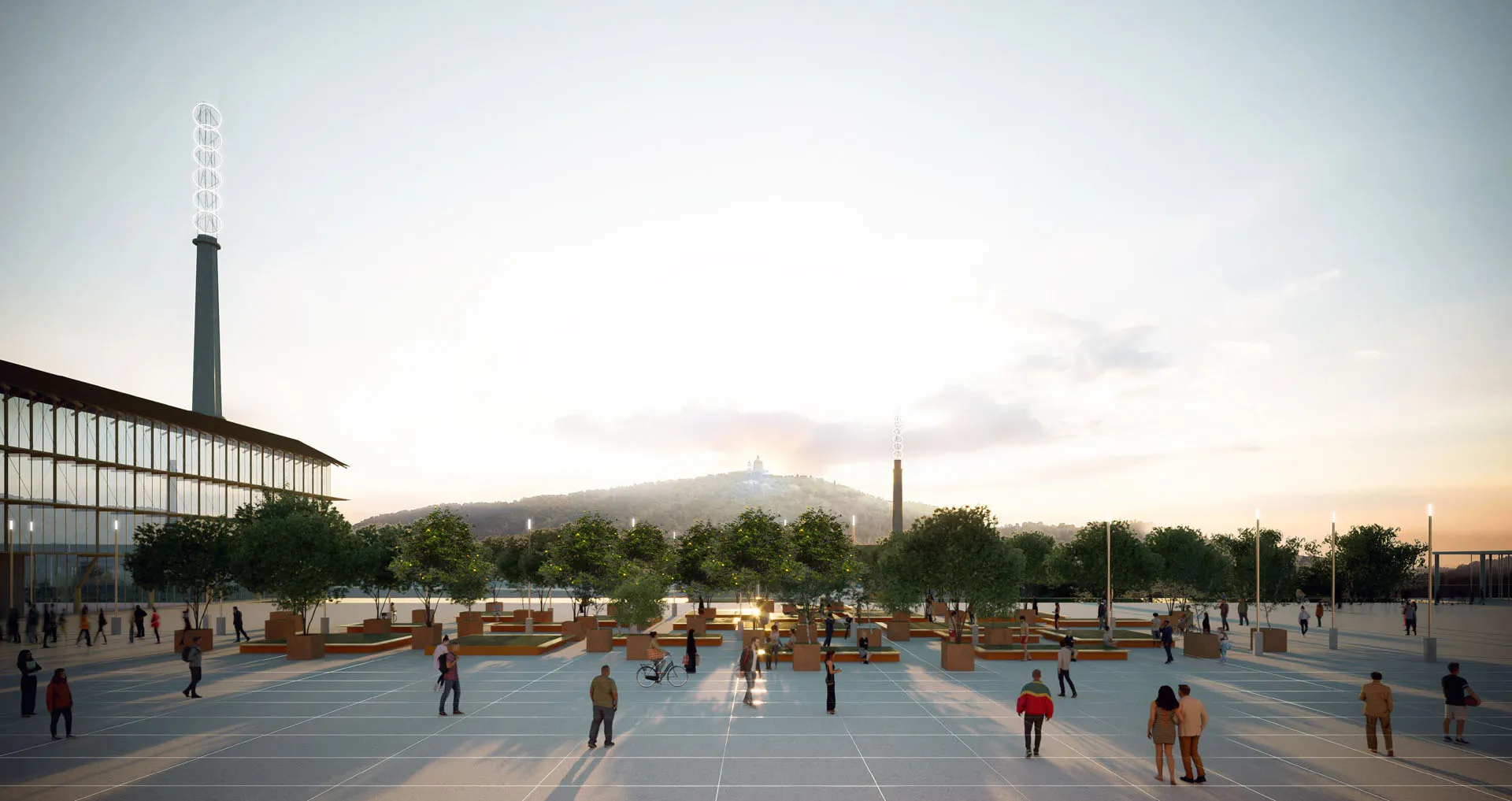
The project subverts the order requested during the competition: rather than a new archive building, mostly inaccessible to the public, the proposal is to create a new square that enhances one of the most beautiful views of the Turin hills and that can compete both in terms of landscape and social impact with Piazza Vittorio at the end of Via Po, while also redeveloping the riverfront.
The project stems from a fundamental choice: the decision not to build new buildings above ground and instead to house the archive required by the competition (both compacted and mechanized) in a large underground room.
This radical choice presents five major strategic, spatial, and economic benefits:
- establishing a true protected treasure trove for the memory of the city and Piedmont;
- generating a large social space (to be called Piazza Superga) capable of invigorating both the cultural center and the surrounding city;
- Revitalize the entire historic complex of the former tobacco factories
- Create a gateway to a sustainable mobility system extending along both banks of the Po River;
Significantly limit the investment because almost all of the space required for the first phase (about half of the total space available for the archive) has already been excavated (existing underground spaces).