

New headquarters of the Oristano prefecture
/ Code
Location: Oristano (OR)
Date: 2025
Project: Open, single-stage, anonymous design competition
Result: Honorable Mention
Role: Team Leader
Group: CHVL Architetti Associati (team leader), Sequas Ingegneria, Studio Zaffina, PPAN, architect Claudia Clementini, architect Lorenza Bartolazzi, architect Beatrice Pizzicaroli, architect Alesandro Melis, archaeologist Anna Luisa Sanna, engineer Efisio Fa, engineer Claudio Aloisi, engineer Fabizio Bolognini, Dr. Filippo Ibba, Dr. Gabriele Costa
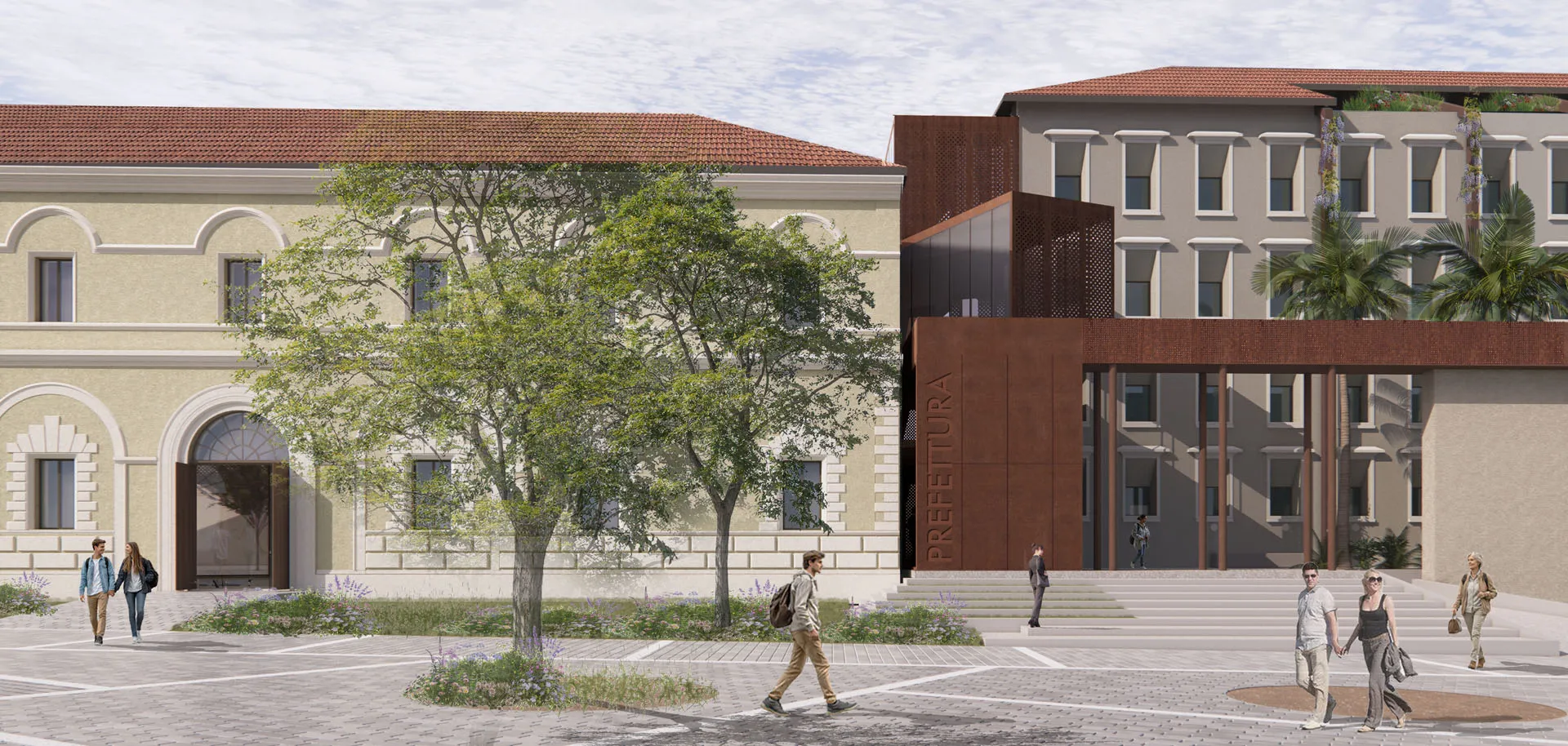
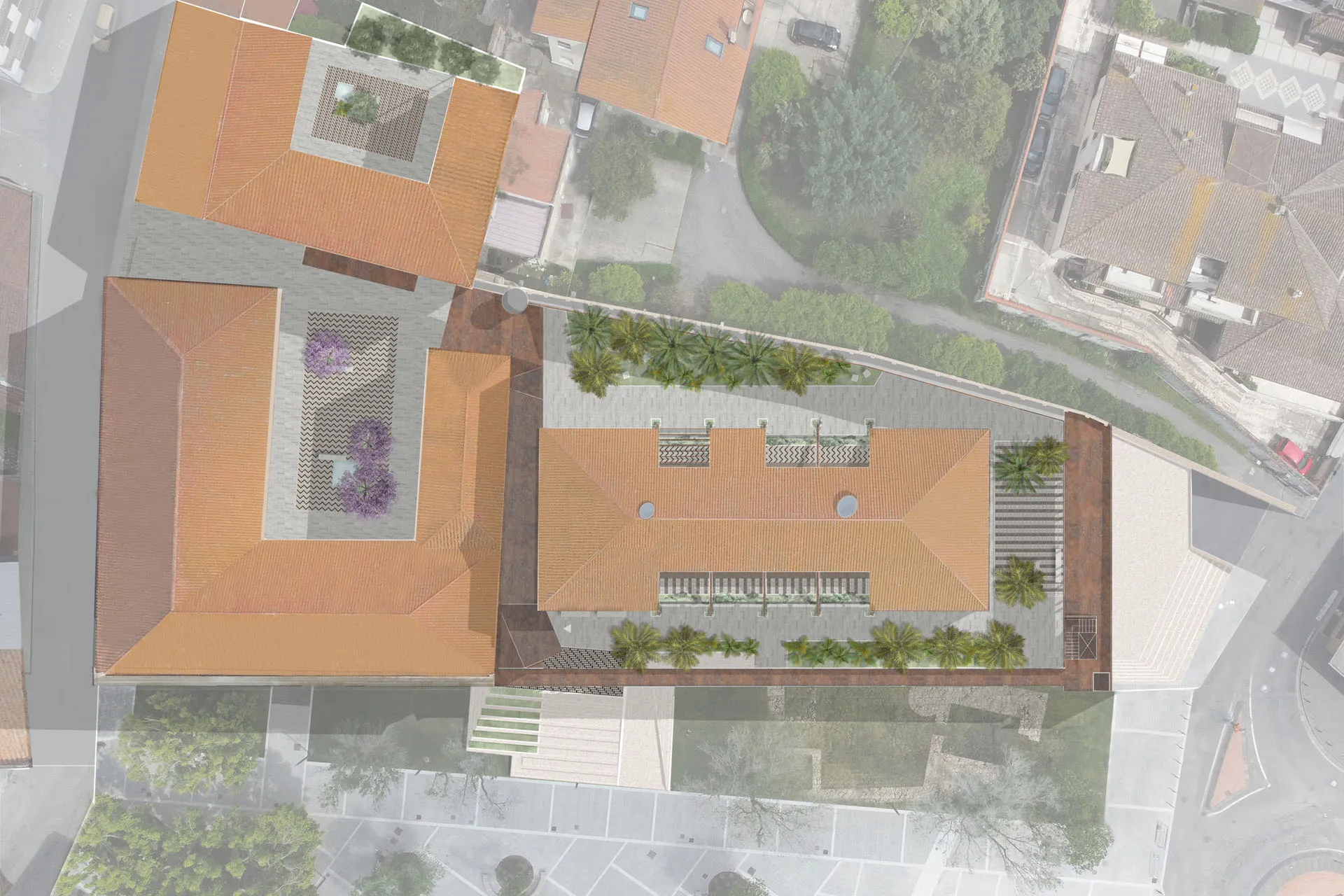
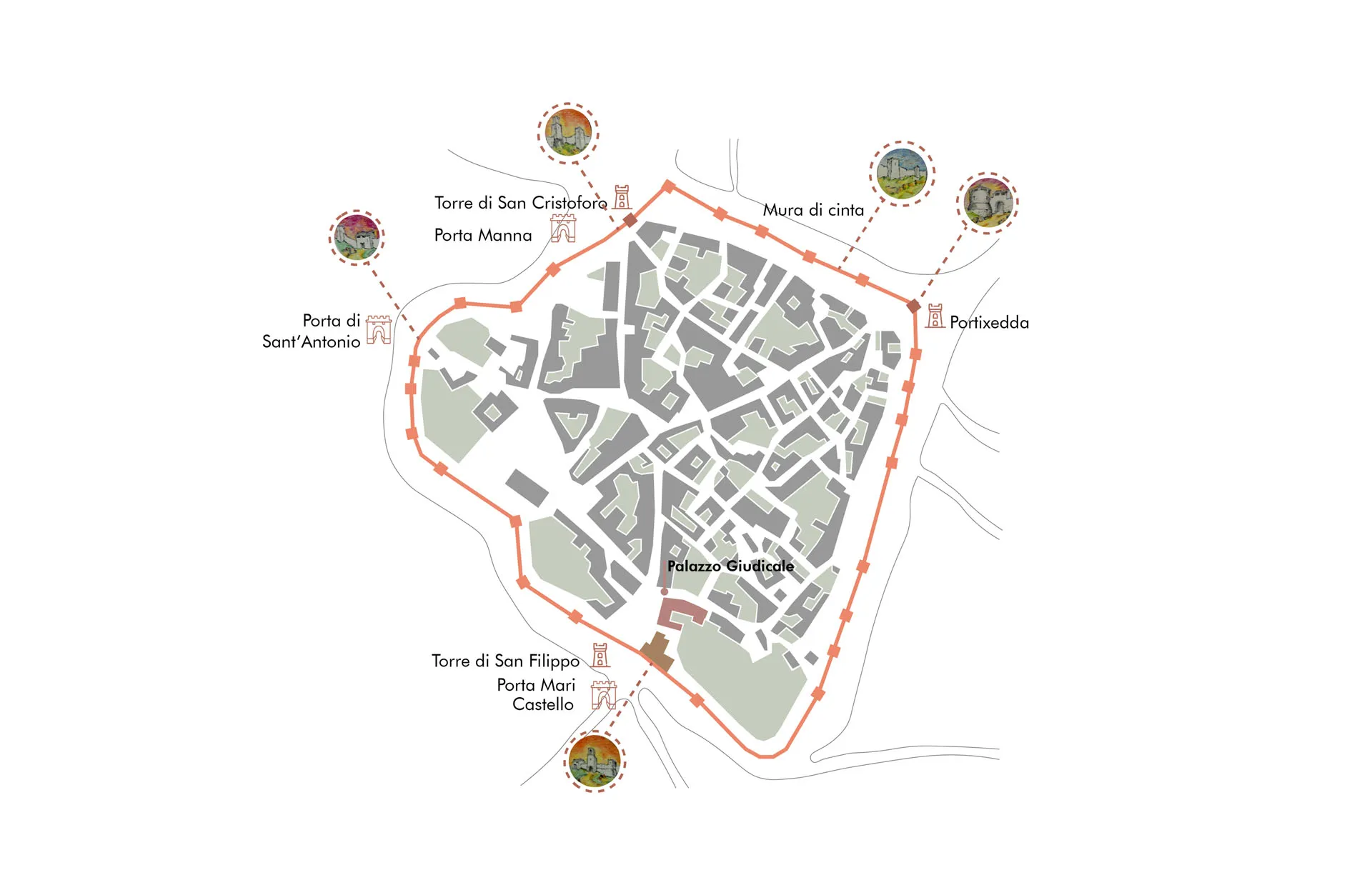
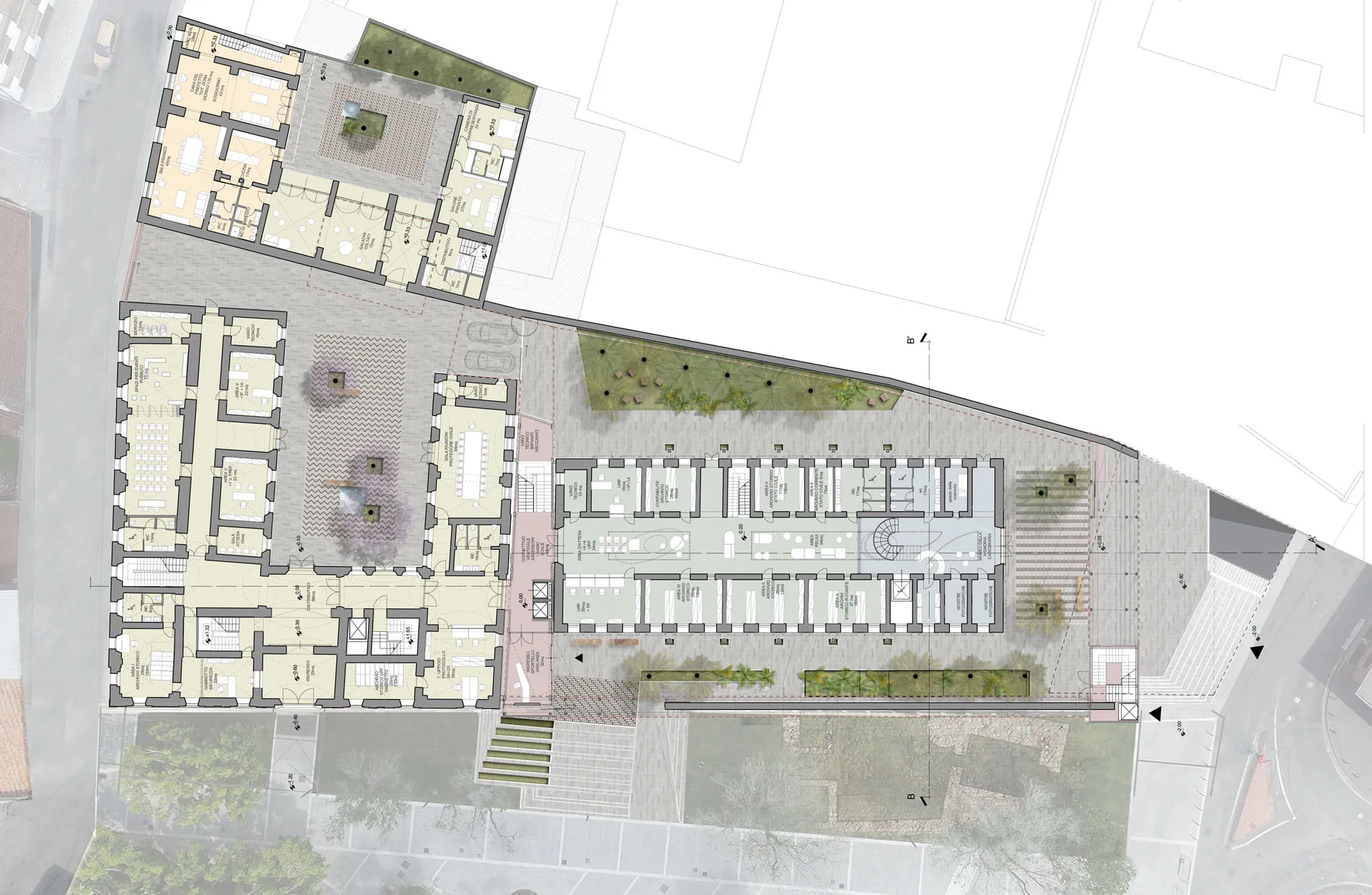
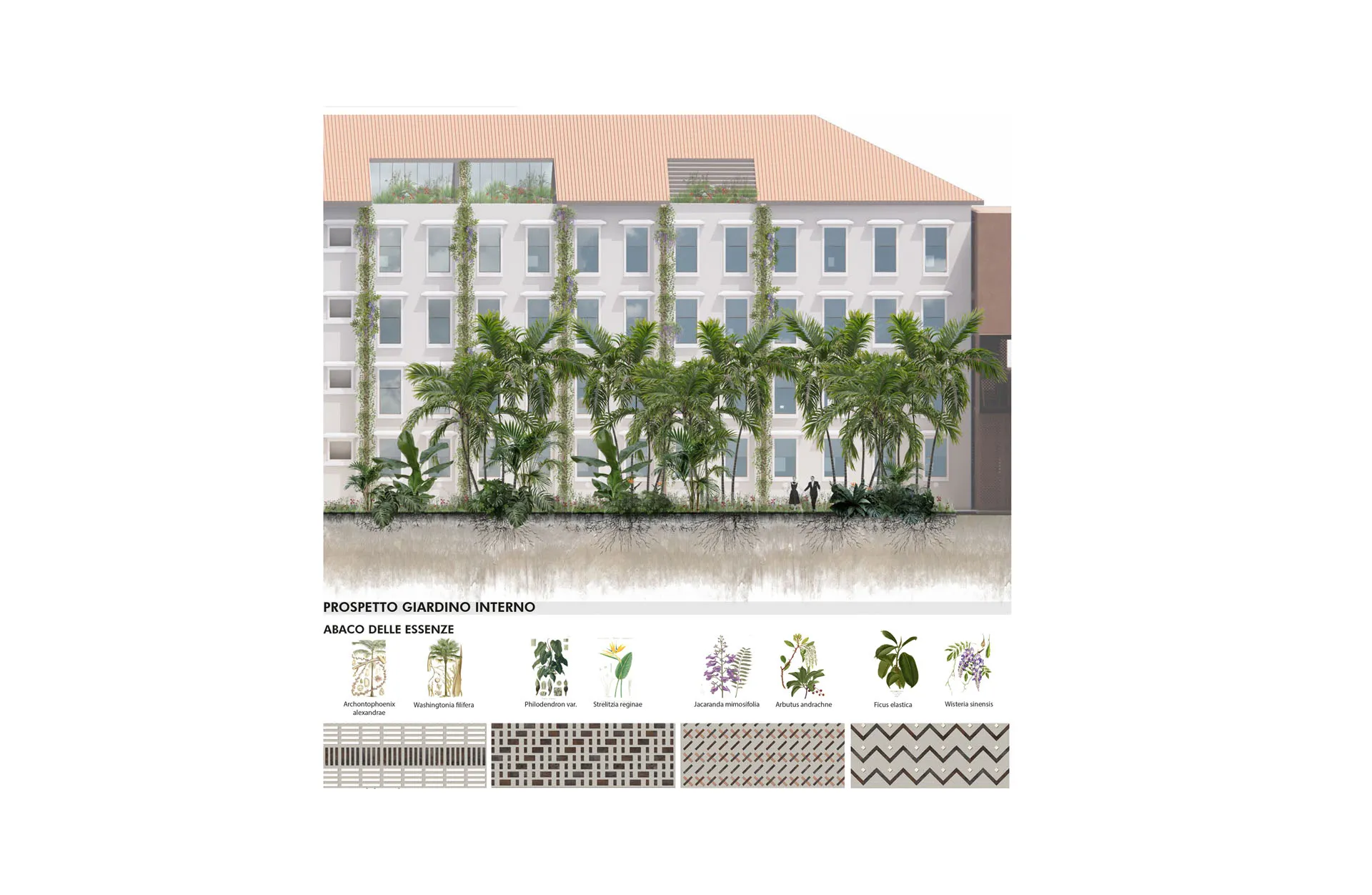
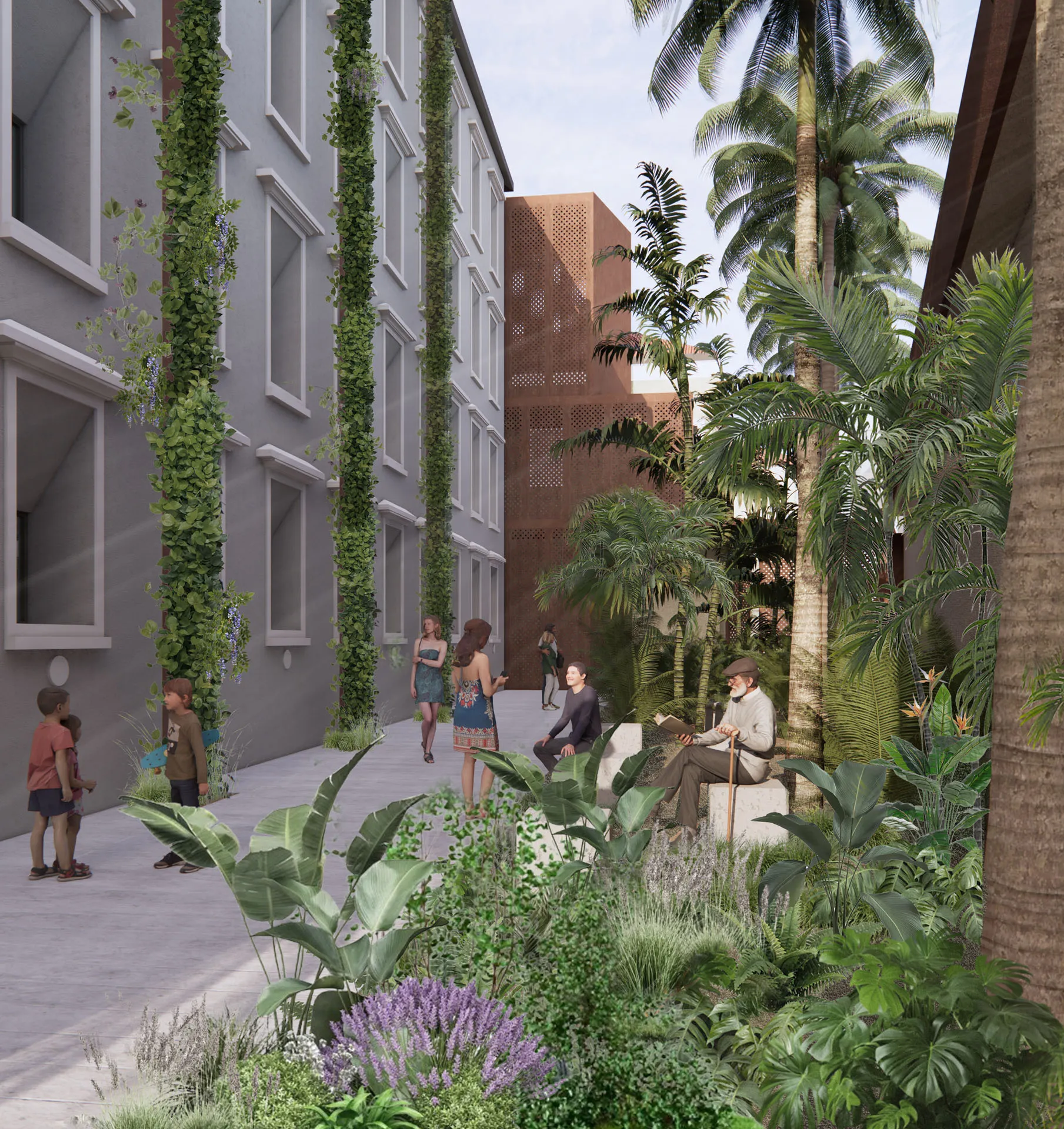
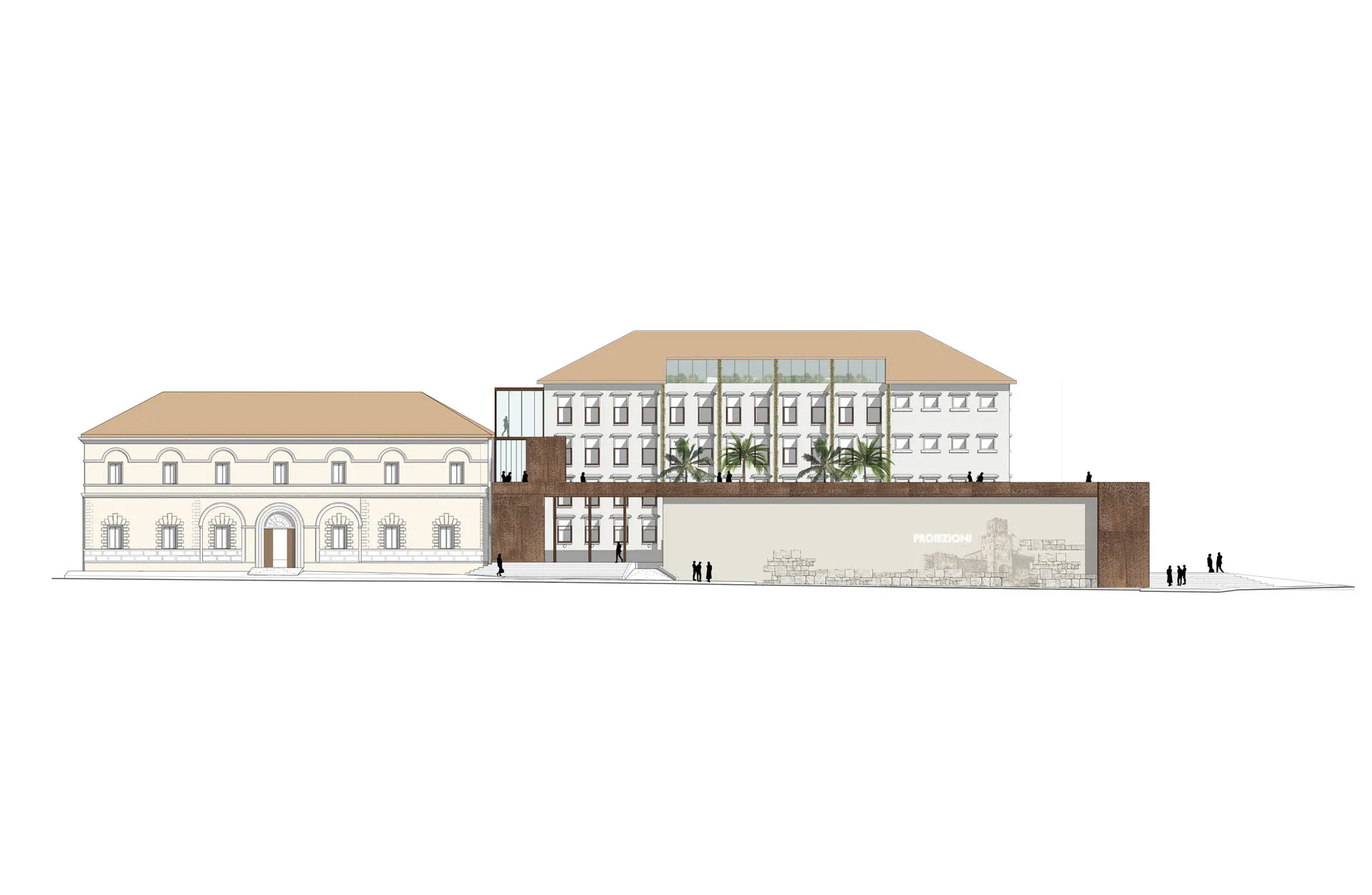
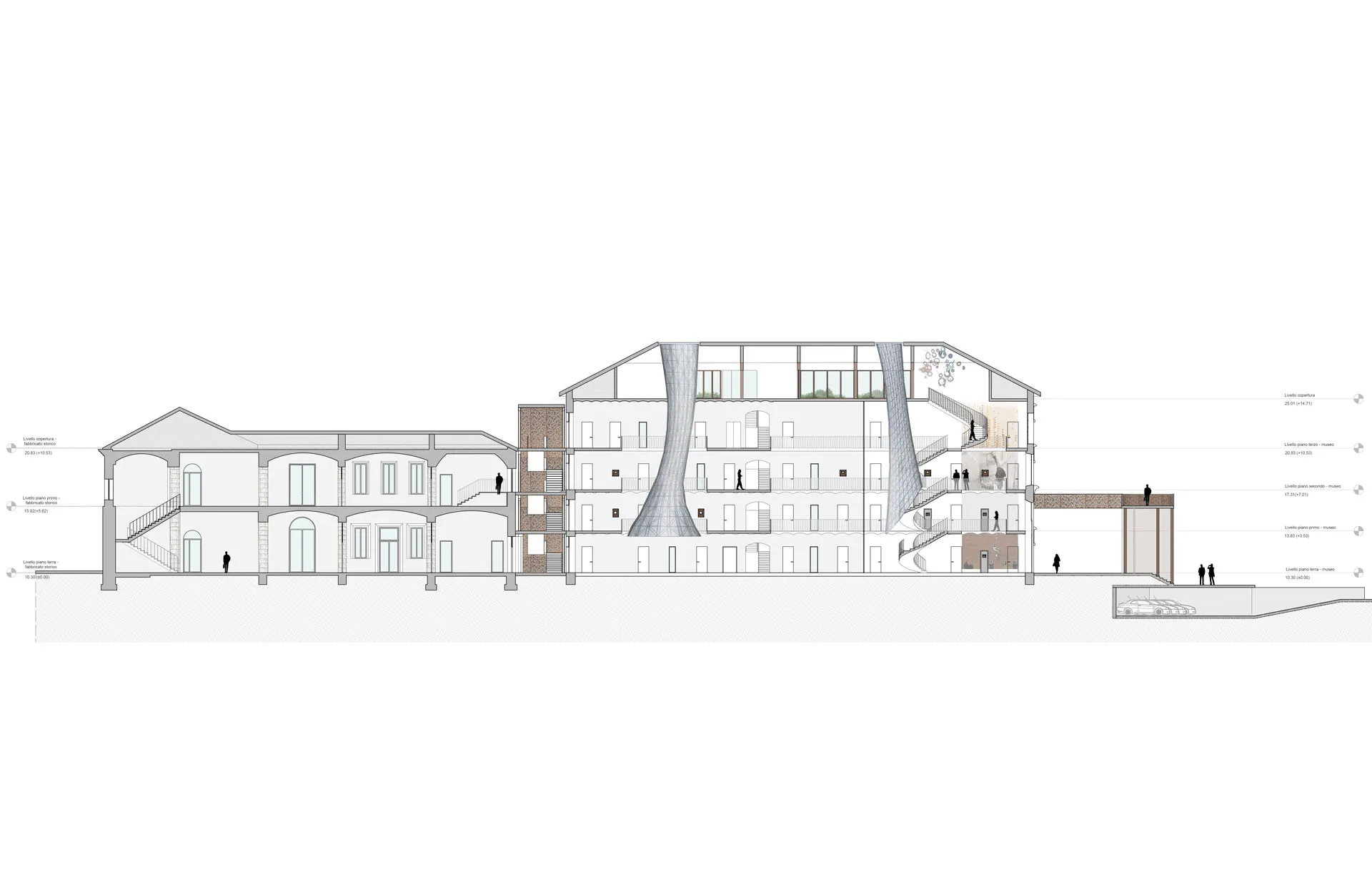
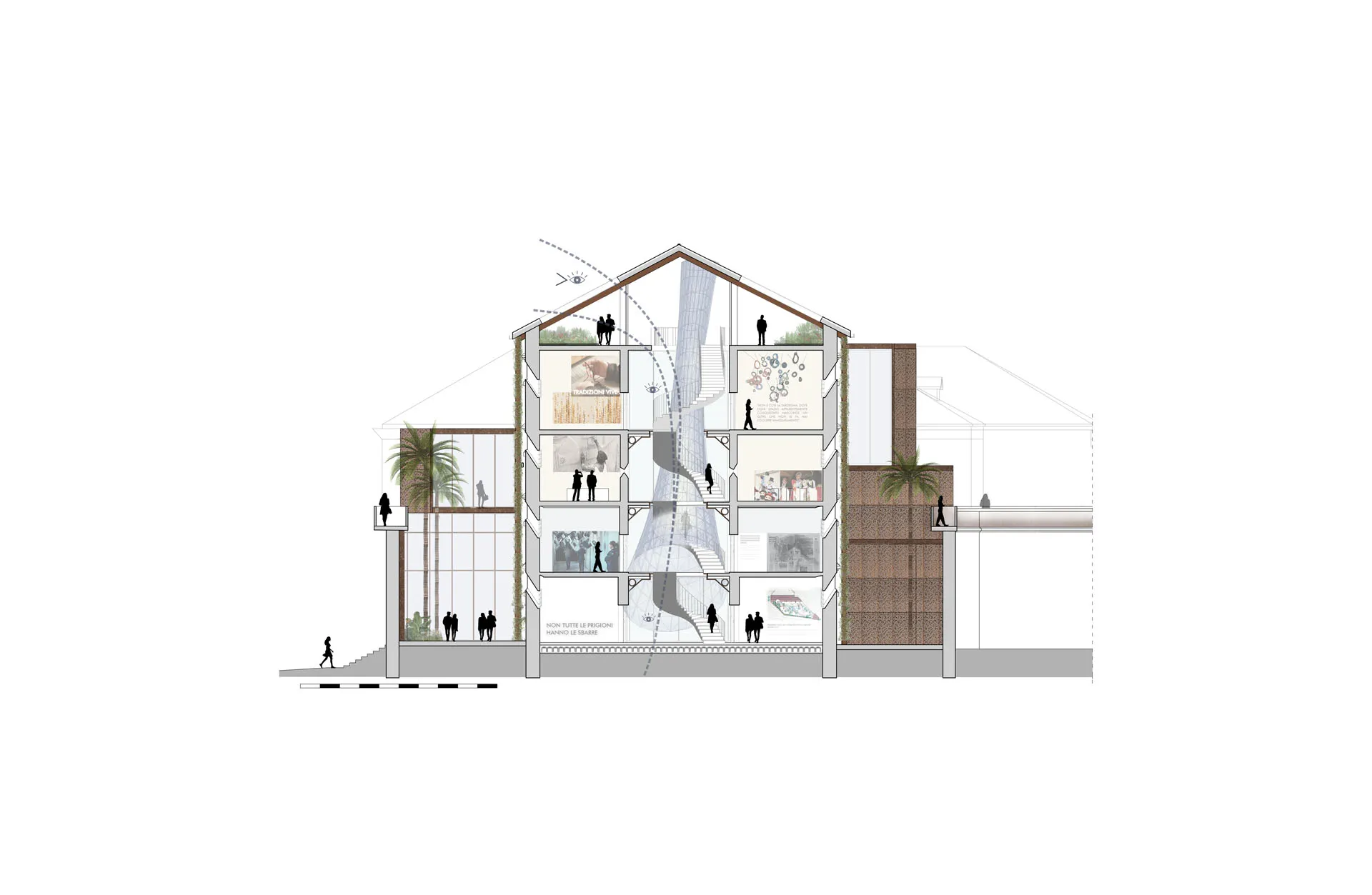

The redevelopment project for the Piazza Manno prison complex is located in the heart of Oristano’s historic center, a place steeped in historical layers, urban memories, and collective identities. A context in which the network of streets, built spaces, and open spaces recounts centuries of continuity and transformation, shaping community life. Built on the site of the ancient medieval castle, along the city’s southern walls, the complex served as a prison for over five centuries, becoming over time a physical and symbolic break in the urban fabric: a closed, inaccessible space perceived as alien to the city.
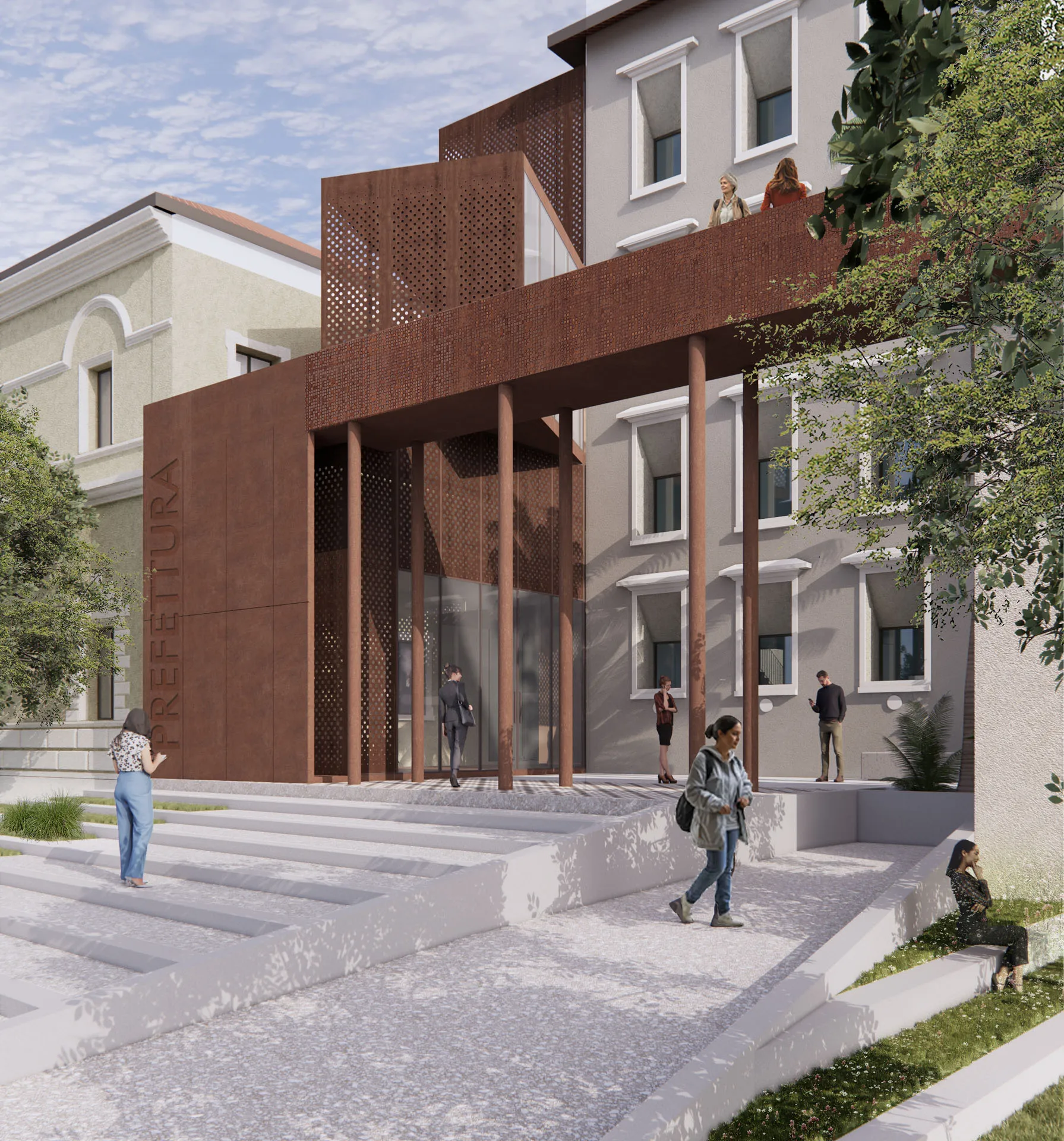
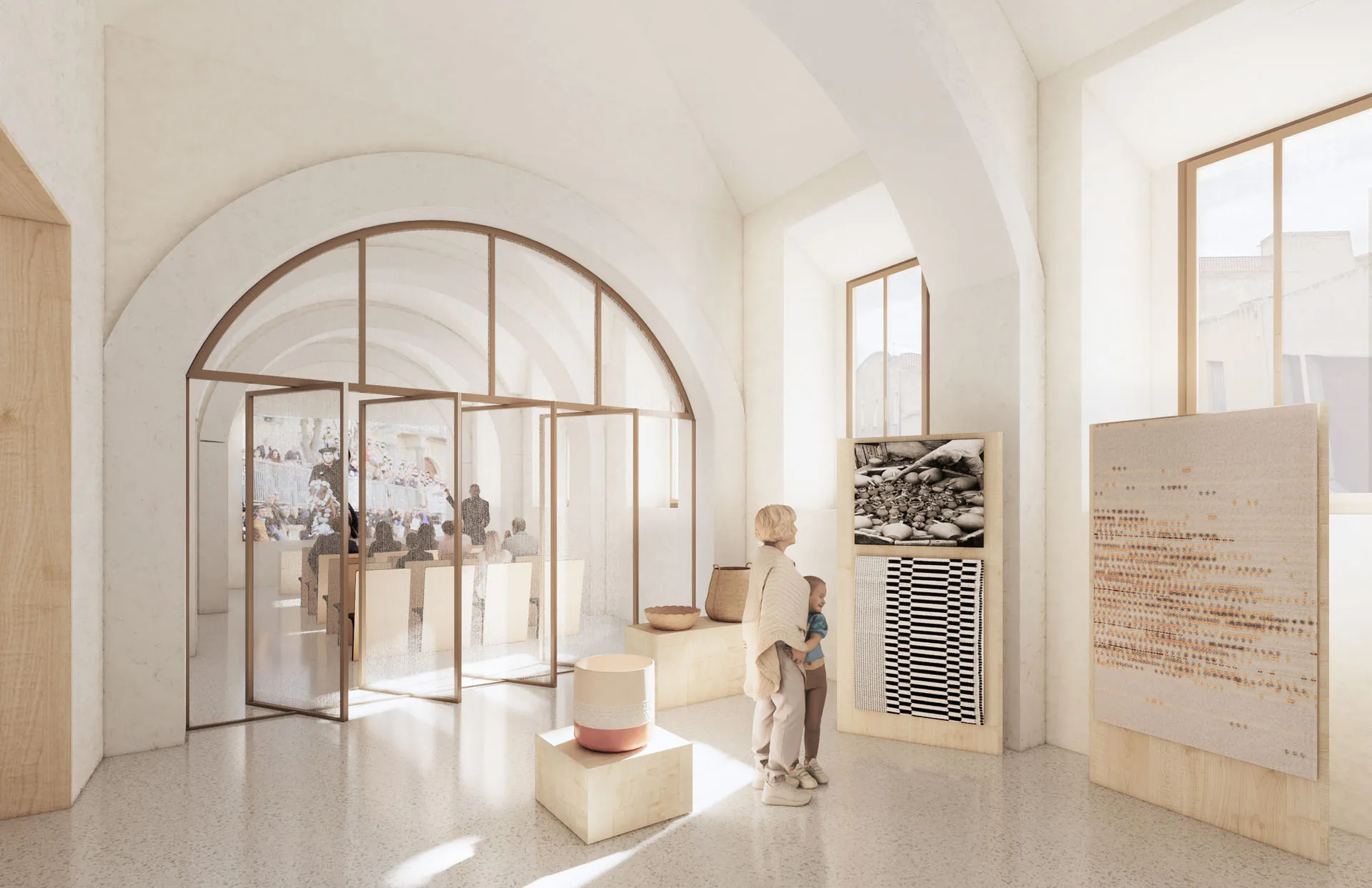
The project today proposes a profound reversal of meaning: from a barren place to a public space, from an urban margin to a new civic threshold. The restoration and reuse project aims to return the complex to the community, transforming it into an institutional, civil, and cultural space capable of representing the State’s closeness to its citizens and open to new uses and narratives.
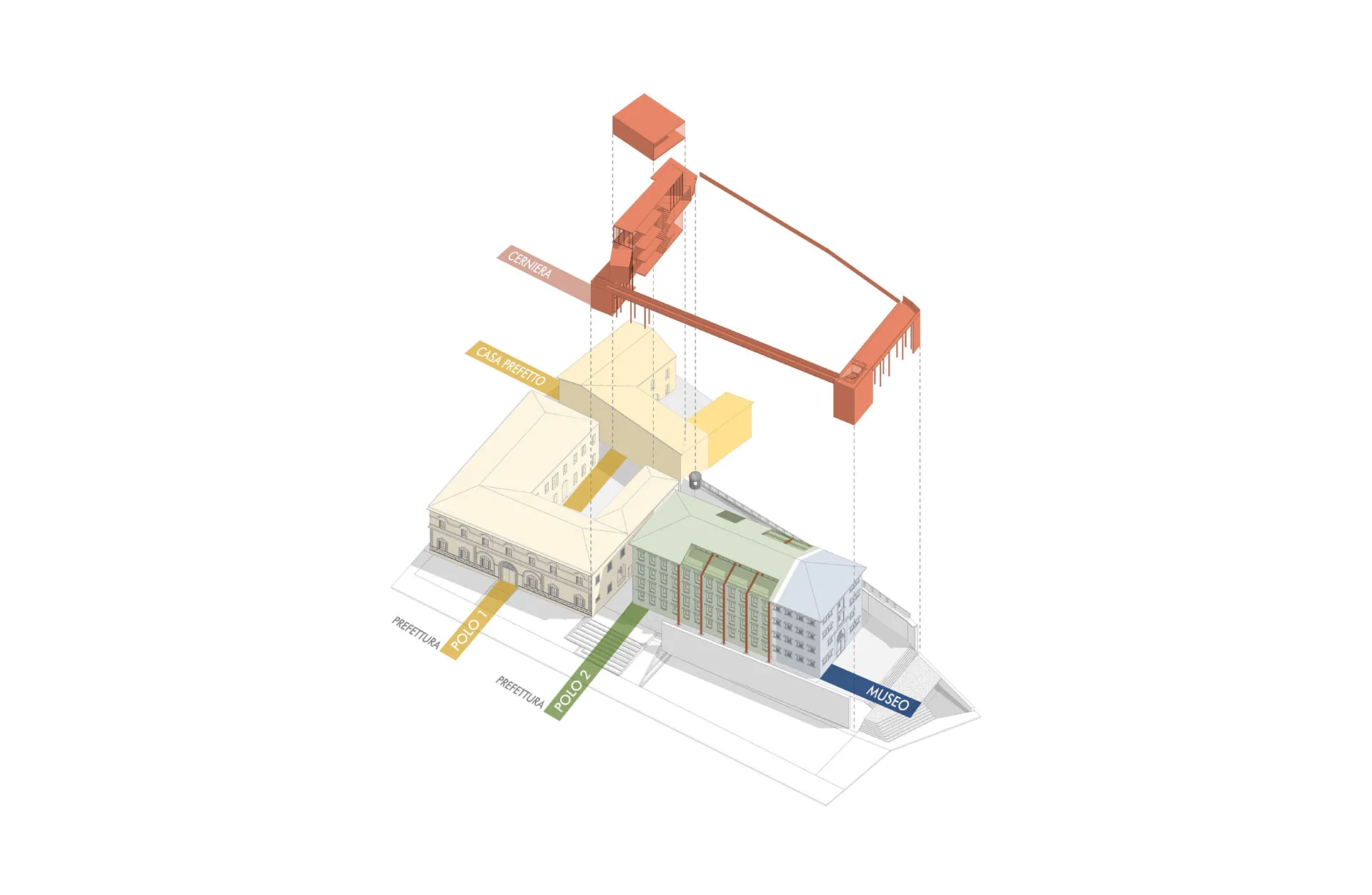
The design concept is inspired by the metaphor of the “sartorial zipper,” a reference to the Sardinian textile tradition, understood as an element capable of mending and connecting. The enhancement of the existing structure is structured around three main objectives: rebuilding interrupted urban connections; enabling new civic and cultural uses open to the community; and strengthening the sense of belonging and attractiveness of the place.
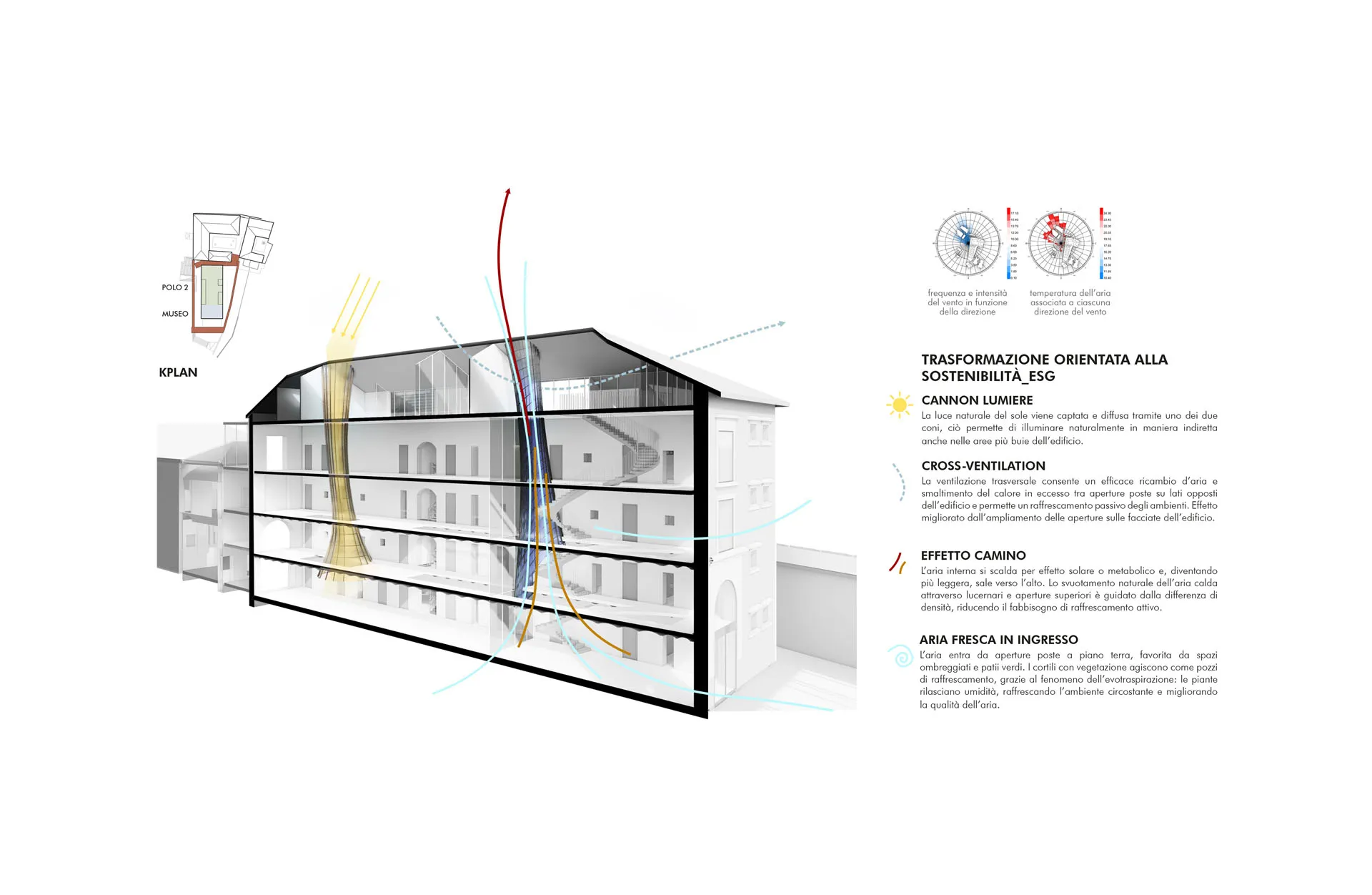
In compliance with the guidelines of the Historic Center Detailed Plan and the Superintendency’s requirements, the project adopts a conservative and philological restoration approach, attentive to the protection of architectural, historical, and symbolic components. The contemporary additions, timely and recognizable, interact with the existing structure according to criteria of distinctiveness, reversibility, and minimal intervention. The redevelopment of open spaces, a focus on environmental sustainability, the use of traditional local materials and knowledge, and the development of inclusive accessibility according to the principles of Universal Design complete a design vision that restores the city’s historic center and a renewed relationship between memory, architecture, and urban life.