Restoration of the Belvedere Square and Wall, and of the Kauffmann ramp
/ Code
Location: Rome
Date: 2025
Project: Redevelopment of the area and restoration of historical monuments: Pincio Promenade
Client: Municipality of Rome – Capitoline Superintendence of Cultural Heritage
Assignment: PFTE, final design and construction management
Role: team leader
Status: ongoing
Group: CHVL Architetti Associati; Consultants: Architect Maria Costanza Pierdominici, Dr. Ana Julia Gallinal Gomez
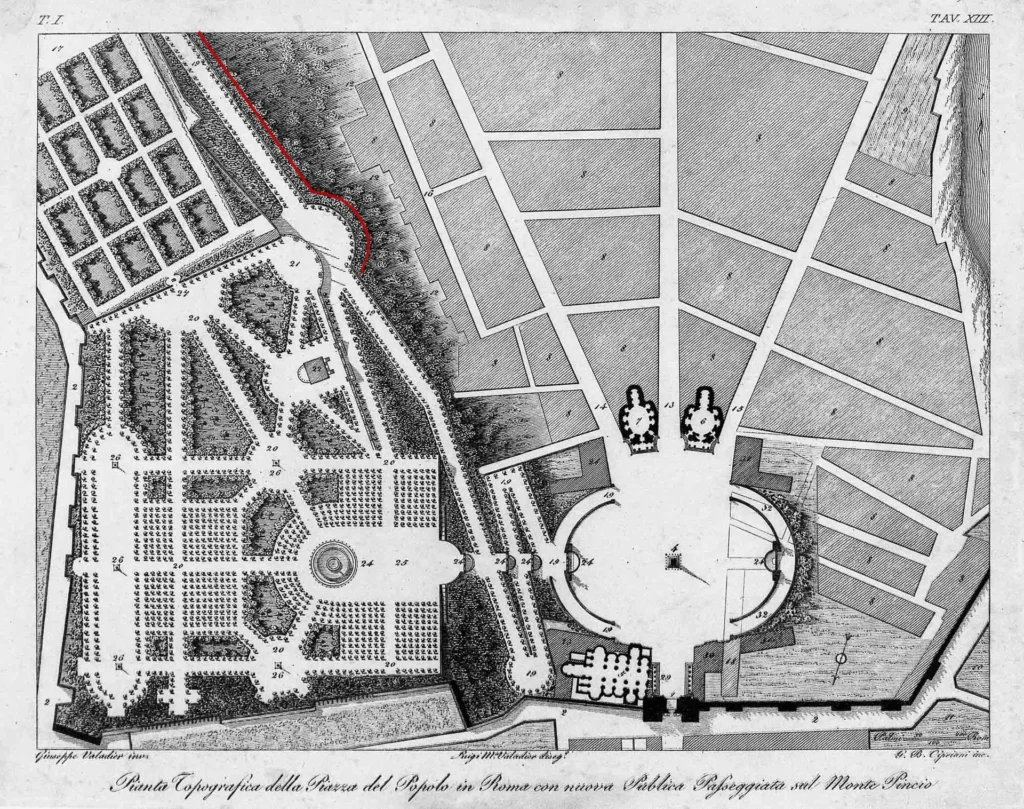
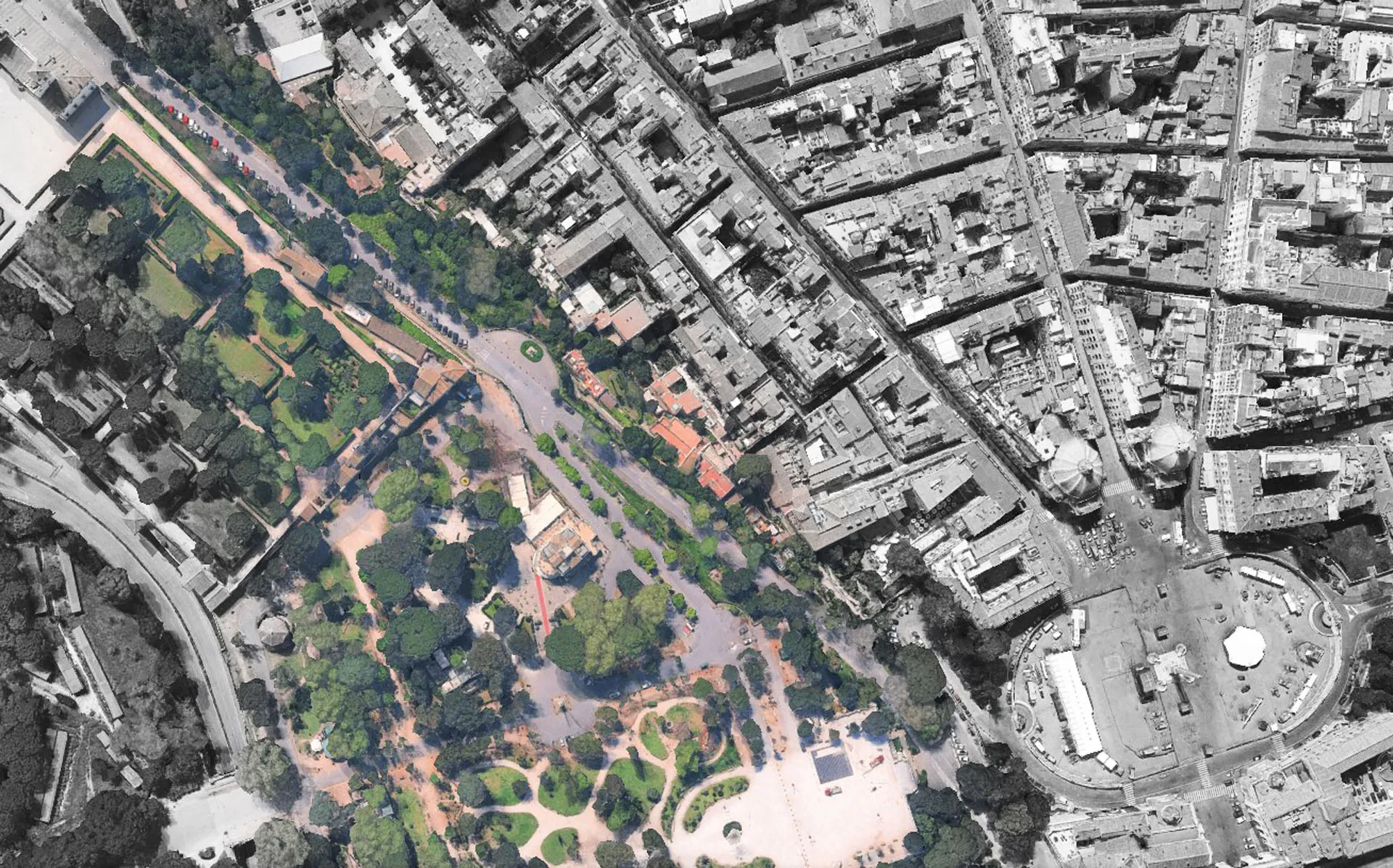
Since the Renaissance, the Pincio Hill has established itself as a symbolic and strategic location in the history of Rome, witnessing urban transformations, historic gardens, and monumental projects. After the Napoleonic occupation, Pope Pius VII promoted the restoration of the city, safeguarding its artistic and archaeological heritage, with the Pacca Edict of 1820 and numerous initiatives led by figures such as Cardinal Ercole Consalvi and Abbot Carlo Fea. Among the most significant works is the creation of the first public park on the Pincio, designed by Giuseppe Valadier in 1815, which harmonized geometric rigor and Romantic landscape design, connecting Piazza del Popolo, the Pincio Gardens, and Villa Medici with panoramic terraces, ramps, and promenades. The project consolidated the Pincio as a place of historical, cultural, and social value, integrating conservation, public usability, and urban harmony.
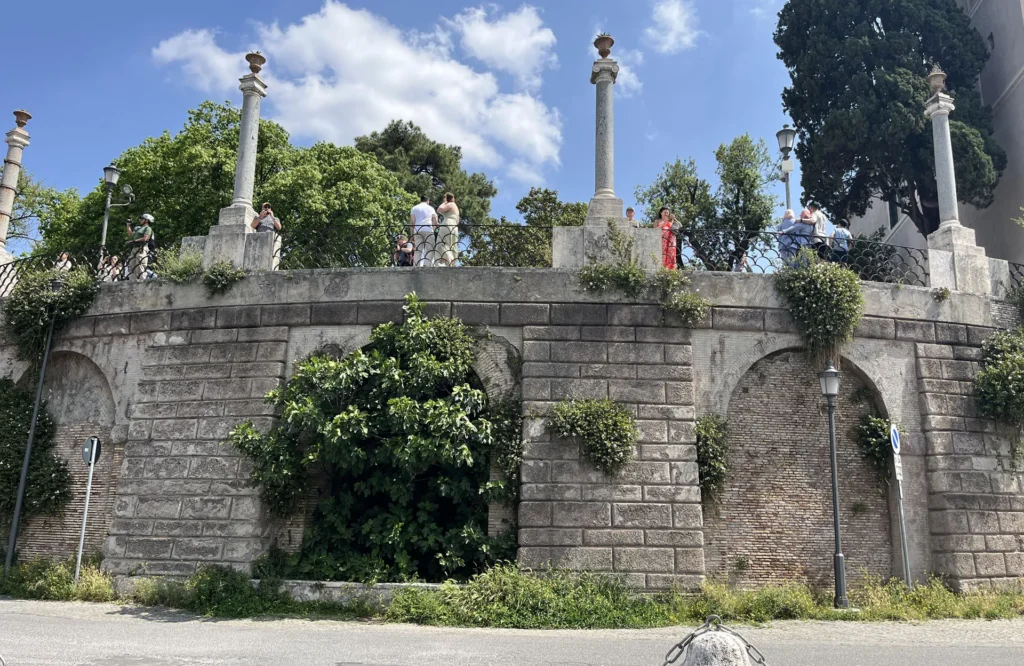
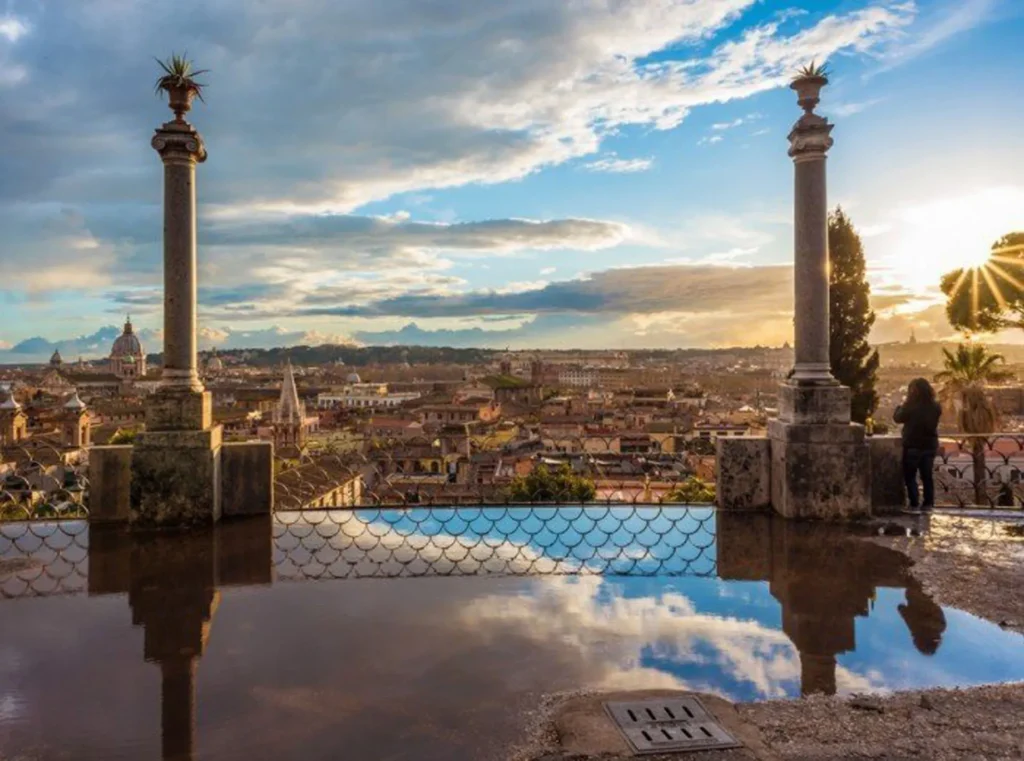
The final project study identified intervention on the access section to the Pincio Promenade, including the Kaufmann Ramp and the Belvedere Terrace, as a priority.
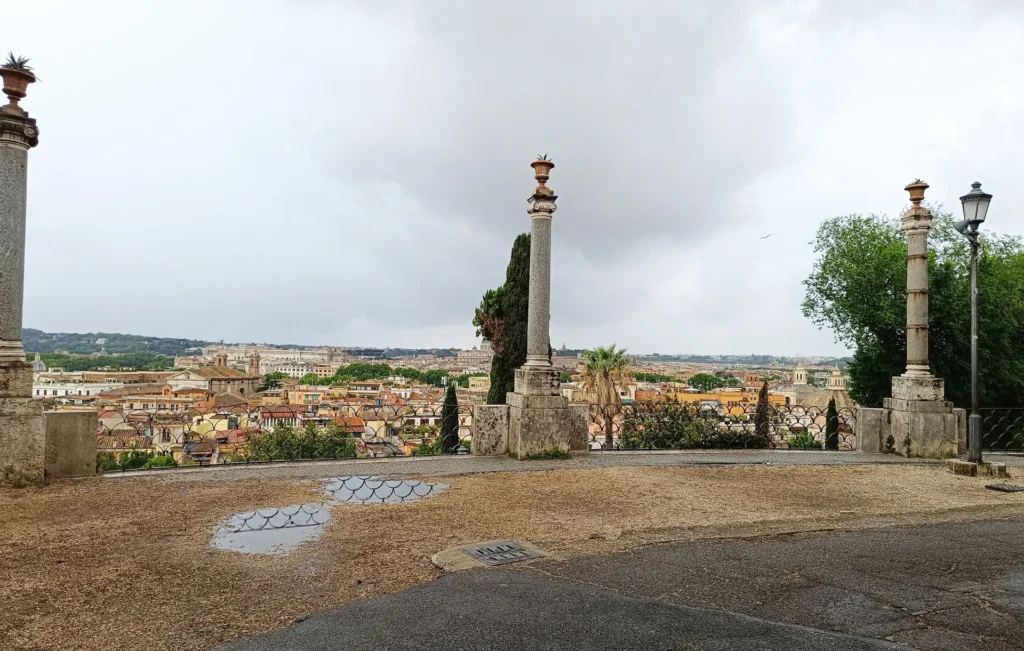
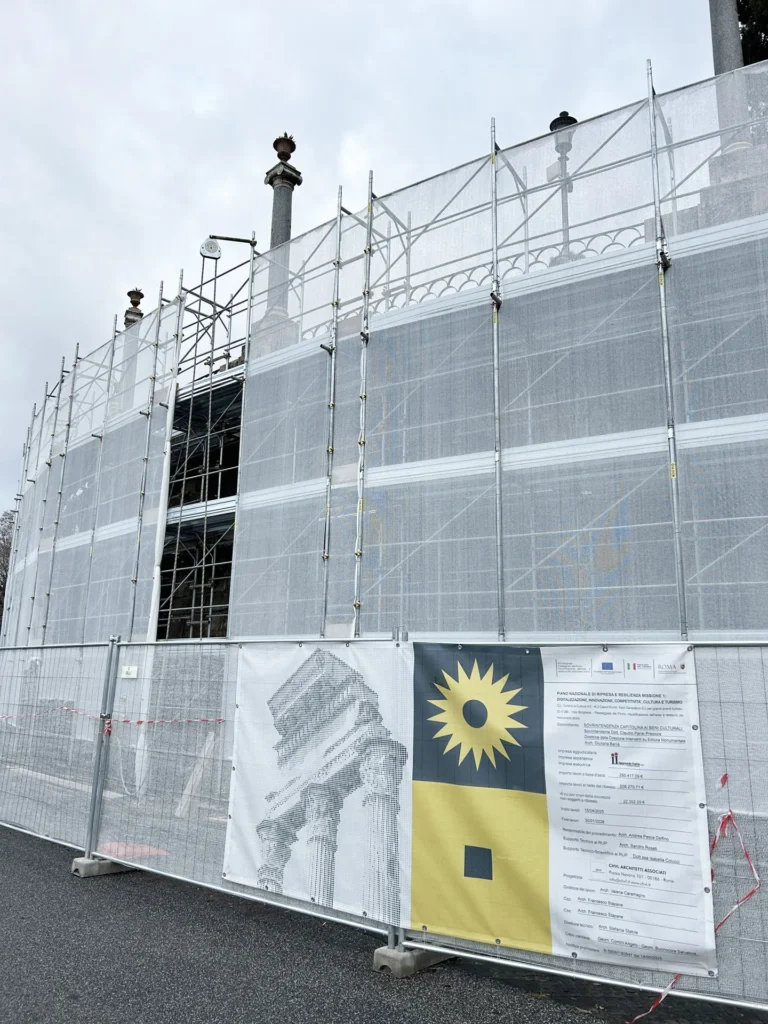
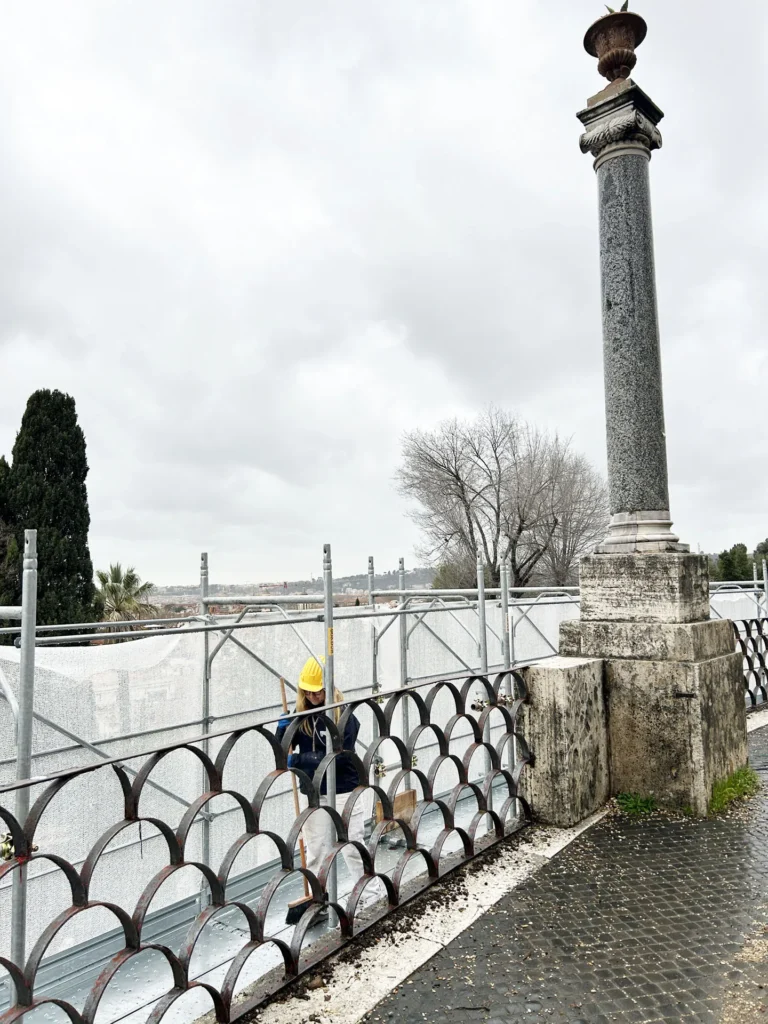
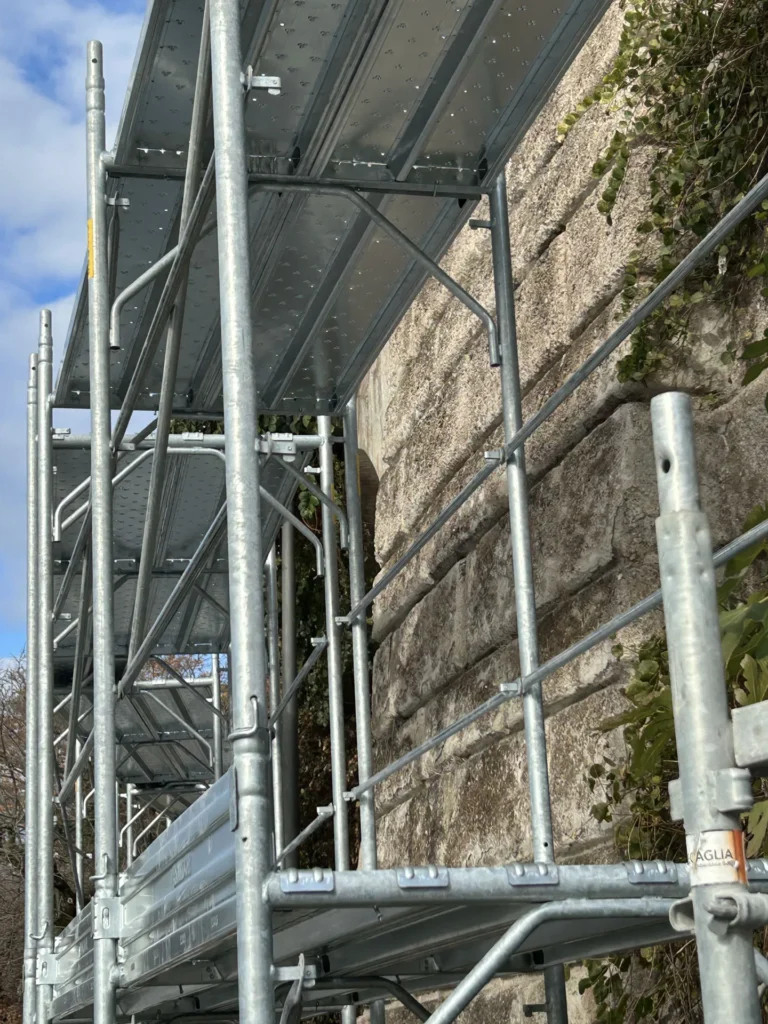
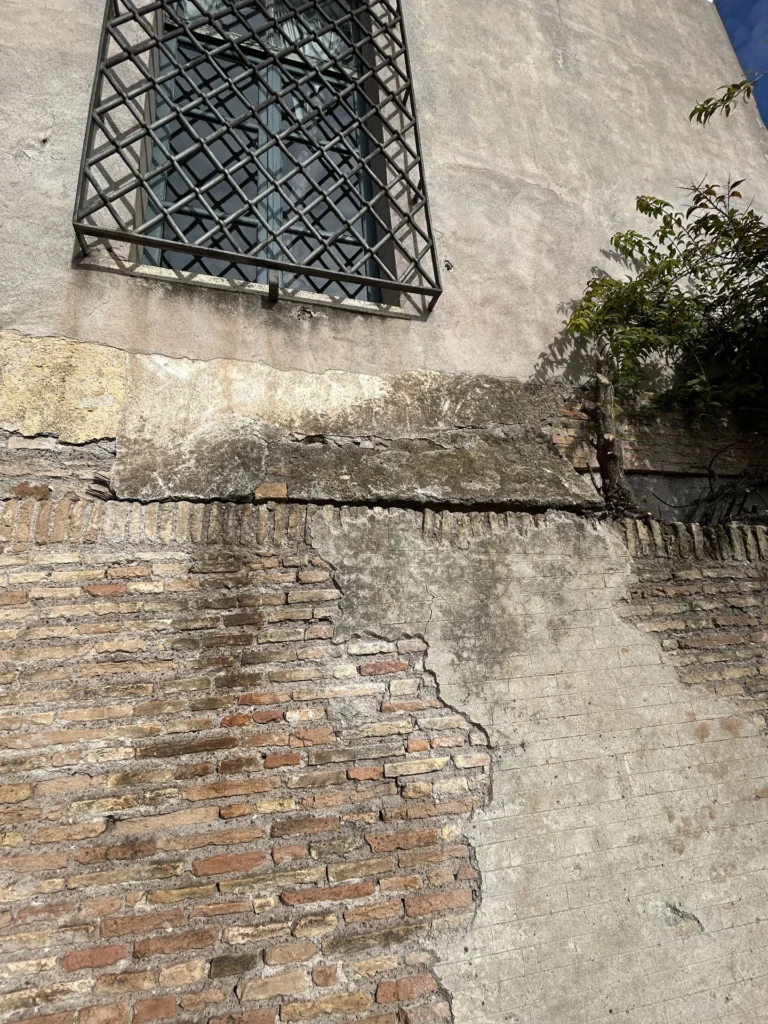
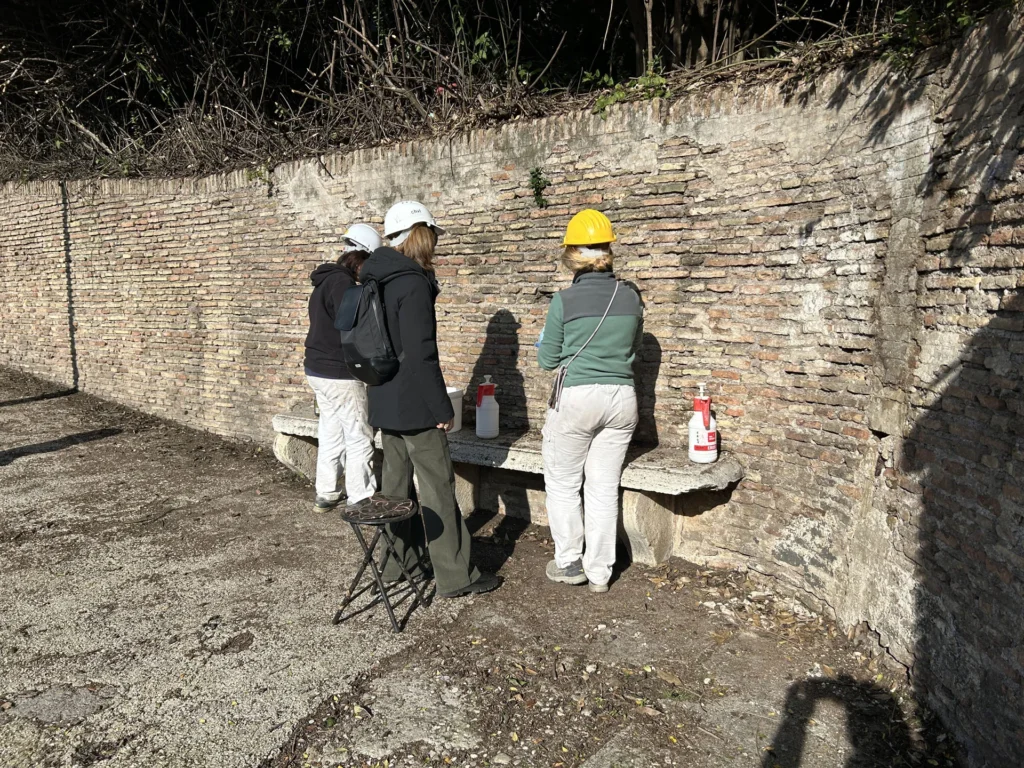
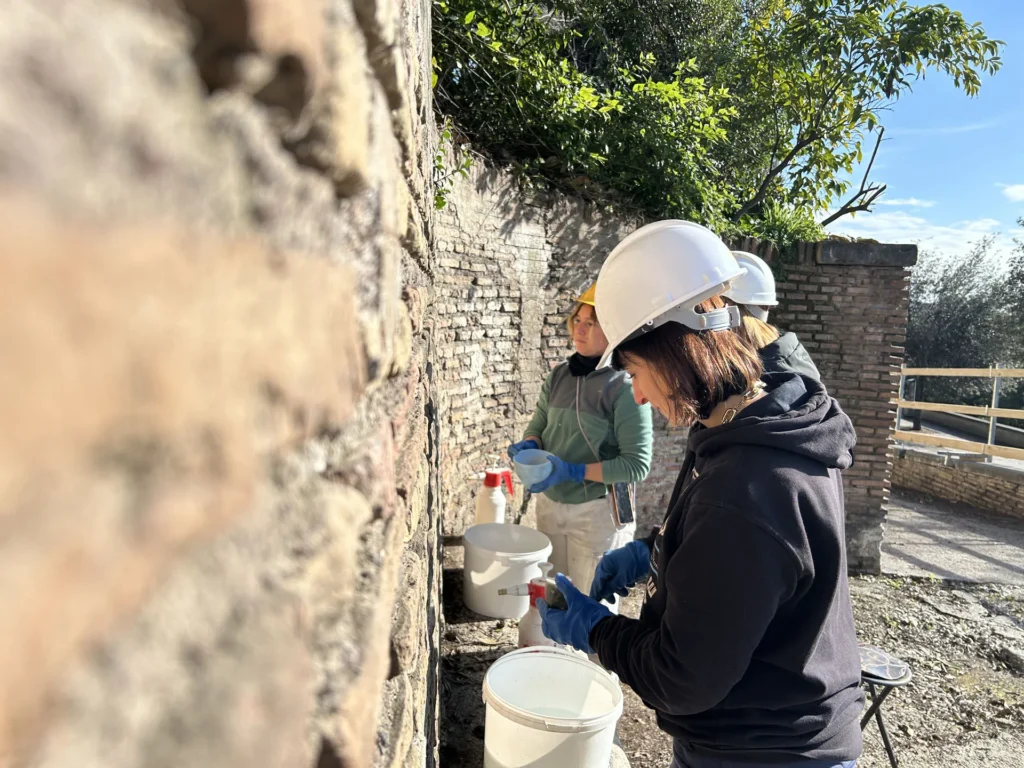
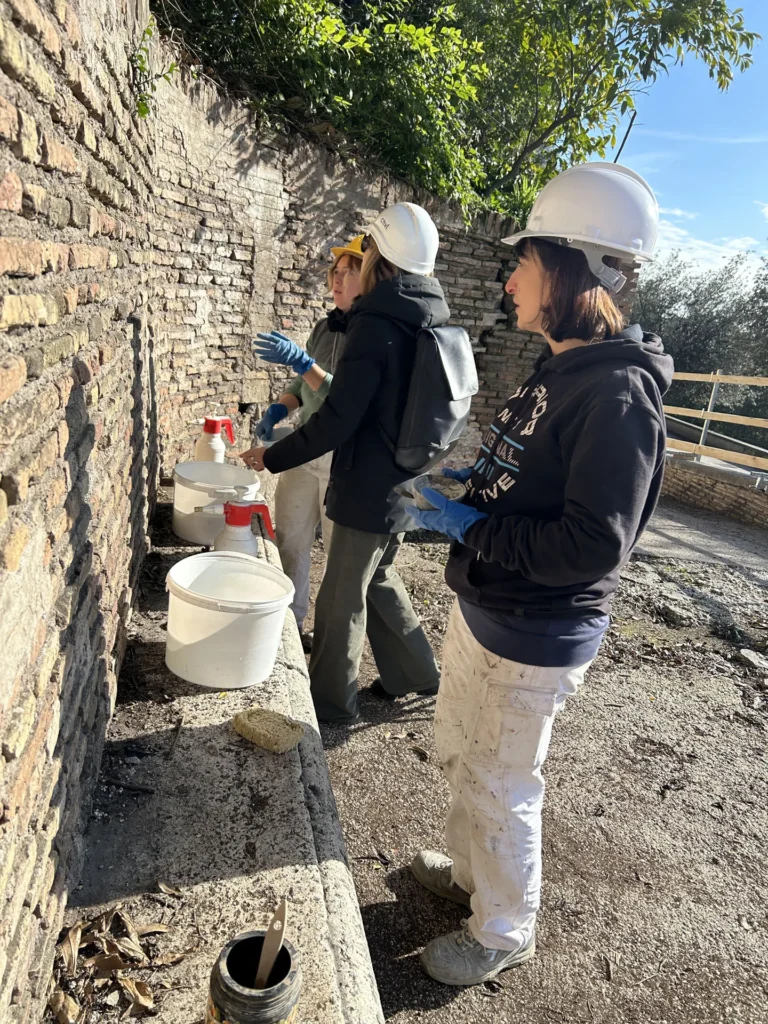
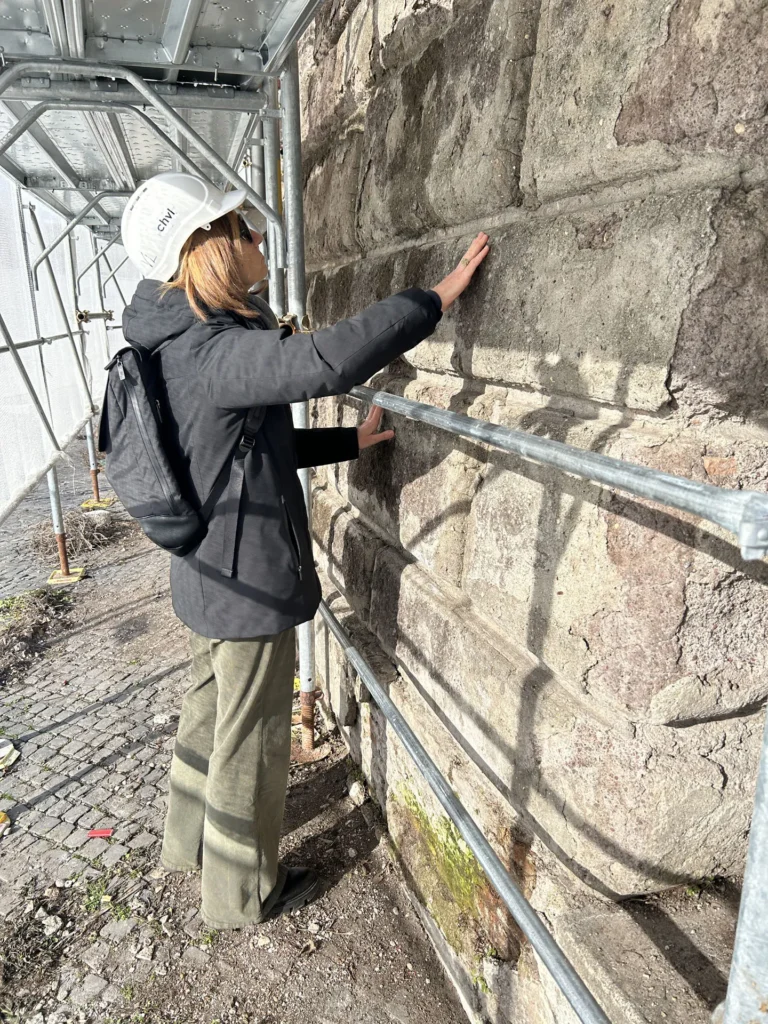
The goal is to restore these spaces to their full architectural and monumental value by reworking the vertical and horizontal surfaces, redesigning the paving with new continuous draining material, restoring all the tuff, brick, and travertine wall surfaces, removing invasive vegetation, and installing new metal railings to ensure visitor safety.
The Kaufmann Ramp included conservative restoration of the masonry, resurfacing of the paving, and installing an iron handrail compatible with the historical context. The Belvedere Terrace will be cleaned, materials consolidated, the rusticated plaster restored, and the paving replaced with draining, eco-friendly materials consistent with the surrounding environment.
For the Hydrochronometer, the dial and damaged glass were replaced, postponing the complete restoration of the structure to a future specialist project. All interventions were designed to respect the historical and artistic character of the site, maintaining visual unity while ensuring compatibility and reversibility of the interventions, to enhance one of Rome’s most beautiful panoramic views.